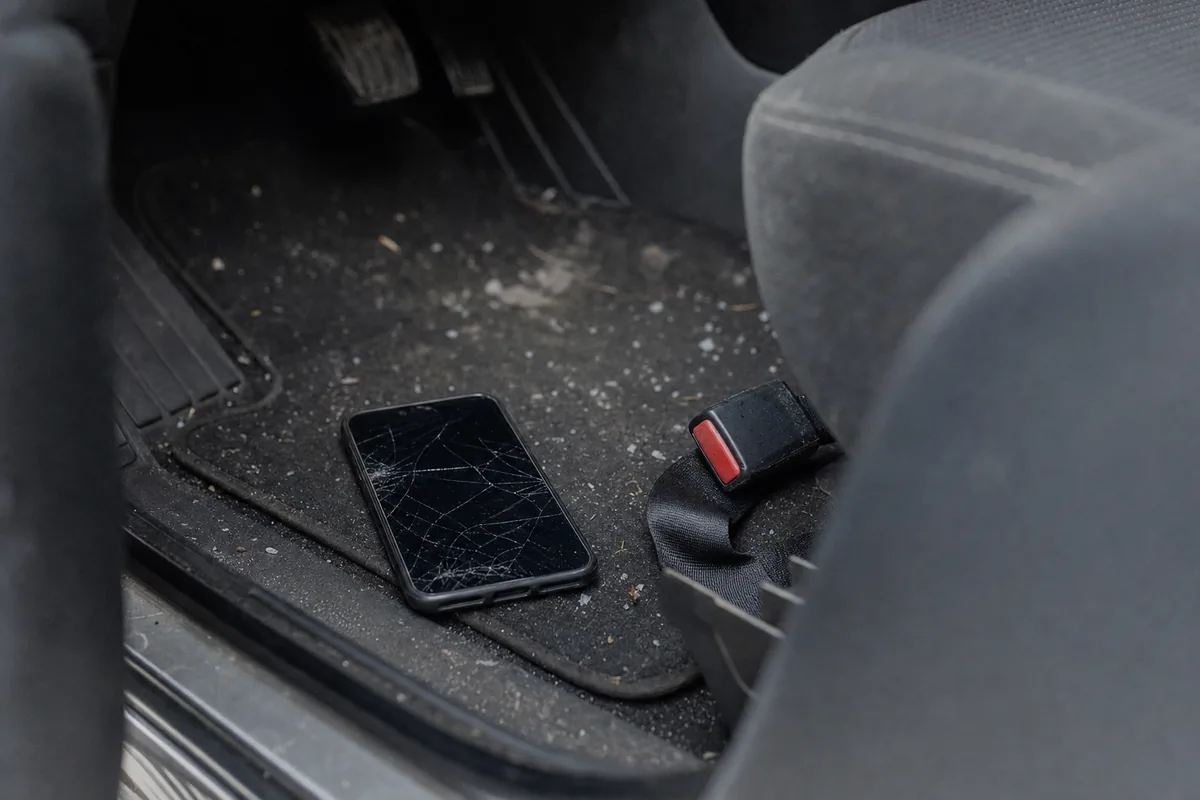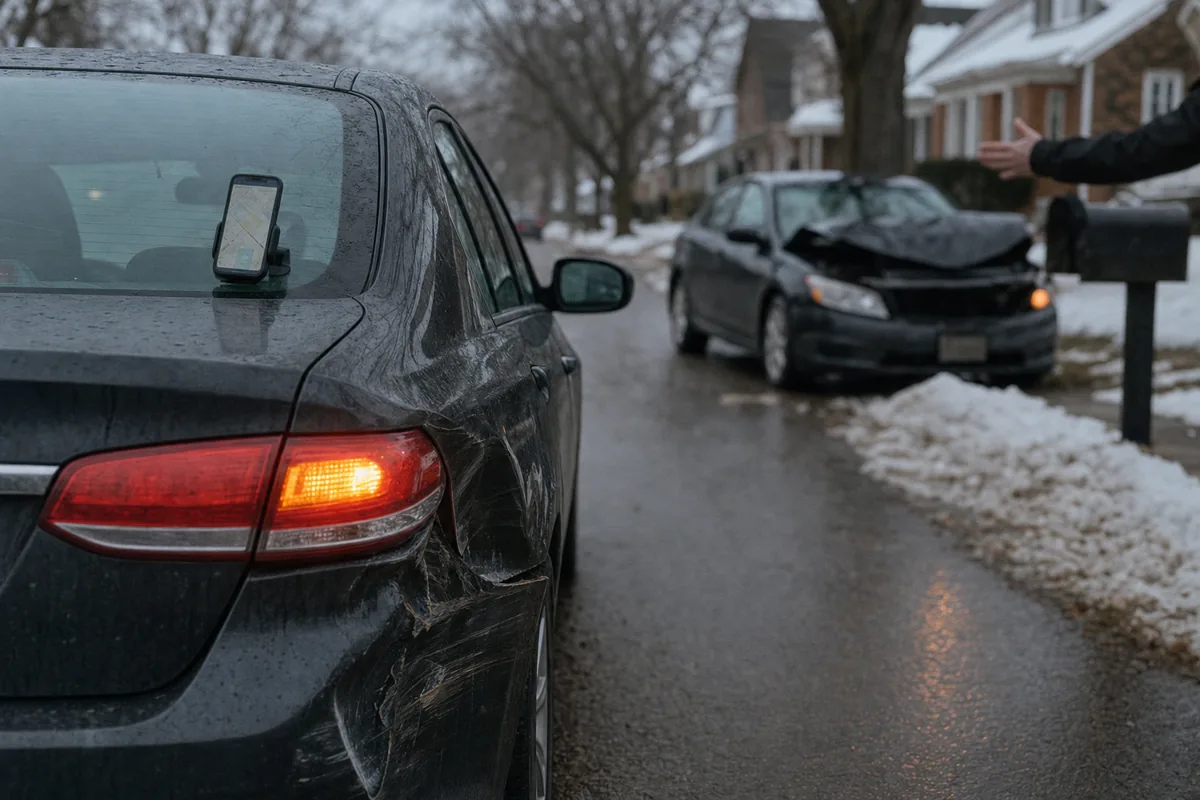
A driver texts a message while cruising on I-94 near Detroit. Their eyes leave the road for 5 seconds. In that time, they travel the length of a football field without looking. That's 300 feet of highway traveled blind. If another vehicle is in their lane, a collision is almost inevitable.
Distracted driving has become a silent epidemic on Michigan's roads. While drunk driving receives the public attention, distracted driving—texting, cell phone calls, eating, adjusting the radio, applying makeup—is quietly causing thousands of accidents, injuries, and deaths each year.
The Scope of Distracted Driving in Michigan
The National Highway Traffic Safety Administration (NHTSA) reports that each year in the United States, over 3,500 people are killed in crashes involving distracted driving. An estimated 391,000 people are injured annually due to distracted driving crashes.
In Michigan specifically:
Texting While Driving
Michigan law bans texting while driving for all drivers. Yet, thousands of Michigan drivers continue to text behind the wheel. When you text and drive, you are roughly 23 times more likely to crash than a non-distracted driver, according to NHTSA research.
Hand-Held Phone Use
Michigan bans hand-held phone use for drivers under 18 and for school bus operators. For other drivers, the law permits hand-held phone use, though it's not recommended. Many Michigan drivers age 18 and over use their phones while driving, creating a significant hazard.
Cell Phone Use (Hands-Free and Hand-Held)
Even hands-free phone conversations distract drivers cognitively. A conversation on a hands-free device takes the driver's cognitive attention off the road, impairing reaction time and decision-making.
In-Vehicle Infotainment Systems
Modern vehicles include infotainment systems—touchscreen displays for navigation, audio, climate control, and more. These systems require visual and cognitive attention, distracting drivers from the road.
Eating and Drinking
The casual act of eating or drinking while driving—grabbing a sandwich, sipping coffee—distracts drivers and impairs their ability to respond to hazards.
Adjusting Vehicle Controls
Adjusting the radio, climate control, or other vehicle controls requires the driver's visual attention. These brief distractions increase accident risk.
Grooming
Applying makeup, brushing hair, or other grooming activities behind the wheel take the driver's eyes off the road.
Daydreaming and Fatigue
While not a "distraction" in the traditional sense, daydreaming and drowsy driving are forms of inattention that impair driver ability and increase accident risk.
Why Distracted Driving Causes Serious Accidents
Reduced Awareness
Distracted drivers have impaired awareness of their surroundings. They miss pedestrians, cyclists, other vehicles, and hazards on the road.
Slower Reaction Time
When a distracted driver encounters a hazard, they react more slowly than a focused driver. This delayed reaction increases the severity of collisions.
Loss of Vehicle Control
A distracted driver who is texting or adjusting controls may inadvertently swerve, brake suddenly, or lose control of the vehicle.
Impaired Decision-Making
Cognitive distractions (like phone conversations) impair a driver's judgment and decision-making ability, leading to poor choices on the road.
Michigan's Distracted Driving Laws
Michigan has laws addressing some forms of distracted driving, though enforcement has been weak in recent years:
Texting Ban
Michigan law bans texting while driving for all drivers. A violation can result in fines up to $100 for a first offense. This law applies to all drivers, including those over 18.
Handheld Phone Ban for Young Drivers
Michigan prohibits hand-held cell phone use by drivers under 18. Violations can result in fines.
School Bus Operator Phone Ban
Michigan prohibits hand-held phone use by school bus operators.
Beyond these specific bans, Michigan law holds all drivers to a general duty of reasonable care. A driver who is distracted by any activity—including handheld phone use, hands-free phone calls, eating, grooming, or infotainment systems—can be held liable for accidents they cause.
Proving Negligence in Distracted Driving Cases
If you're injured by a distracted driver, proving negligence requires establishing that the driver was distracted and that the distraction caused the accident. Evidence of distraction can include:
Eyewitness Testimony
Other drivers or bystanders may have observed the at-fault driver texting, talking on the phone, or otherwise distracted before the collision.
Cell Phone Records
Cell phone records can show whether the at-fault driver was using their phone at the time of the accident. Subpoenas can obtain these records in litigation.
Vehicle Telematics Data
Many modern vehicles record data—speed, acceleration, braking, and other metrics—in "black boxes." This data can show the vehicle's behavior immediately before the collision and help establish whether the driver was inattentive.
Accident Reconstruction Expert Testimony
An accident reconstruction expert can analyze the accident scene, vehicle damage, and other evidence to determine whether the driver had adequate time to avoid the collision if they had been paying attention.
Statements by the At-Fault Driver
If the at-fault driver admits to texting, talking on the phone, or otherwise being distracted, their statement is powerful evidence of negligence.
Damages in Distracted Driving Cases
If you're injured by a distracted driver, you can recover damages for:
Medical Expenses
Current and future medical treatment, hospitalization, surgery, rehabilitation, and therapy.
Lost Wages
Wages lost due to your injury and recovery. If your injury permanently impairs your earning capacity, you can recover damages for lost future earning capacity.
Pain and Suffering
Compensation for the physical pain and emotional distress caused by the accident and your injuries.
Permanent Disability or Disfigurement
If your injury results in permanent disability or visible disfigurement, you can recover additional damages for these consequences.
What to Do If You're Injured by a Distracted Driver
If you're injured in an accident and believe the other driver was distracted:
Get Their Identification and Insurance Information
Get the driver's name, phone number, address, driver's license number, and vehicle information. Also get the name, phone number, and address of their insurance company.
Report to Law Enforcement
Call 911 or the local police to report the accident. Law enforcement will document the accident and may observe evidence of distraction (e.g., cell phone in the driver's hand).
Document the Scene
Take photos of the accident scene, the vehicles involved, the at-fault driver's actions (if safely possible), and any other relevant details.
Get Witness Information
Get the names and contact information of anyone who witnessed the accident. Witness observations of the at-fault driver's distraction can be powerful evidence.
Preserve Evidence
Preserve all evidence related to the accident, including photos, police reports, medical records, and communications with the at-fault driver or their insurance company.
Contact an Attorney
Contact a personal injury attorney experienced in distracted driving cases. An attorney can investigate the accident, subpoena cell phone records and vehicle telematics data, and pursue your claim aggressively.
Why You Need an Attorney
Distracted driving cases are similar to other negligence cases, but evidence of distraction requires investigation and sometimes expert testimony. Insurance companies may deny or downplay distraction as a factor in the accident. An experienced attorney can overcome these defenses and prove the at-fault driver's distraction caused your injury.
If you've been injured by a distracted driver in Michigan, contact our firm for a free consultation. We'll investigate the accident, gather evidence of the driver's distraction, and pursue your claim aggressively to recover full compensation for your injuries.