Elevator & Escalator Accidents
Elevator and Escalator Accidents in Michigan: Mechanical Failures That Cause Serious Injuries
We step into elevators and onto escalators every day without thinking about it. The assumption is that these machines are safe, maintained, and inspected. When that assumption is wrong — when an elevator drops, an escalator suddenly stops or reverses, a door closes on a person's limb, or a step plate collapses — the injuries are severe and the liability is clear. Someone failed to maintain, inspect, or repair the equipment, and a person got hurt because of it.
At Koussan Law, I represent elevator and escalator accident victims across Michigan. These cases involve premises liability against the building owner, negligence against the maintenance company, and potentially product liability against the equipment manufacturer. Multiple defendants means multiple insurance policies — and that's what it takes to adequately compensate injuries that often include fractures, traumatic brain injuries, amputations, and crush injuries.
Common Elevator and Escalator Accident Scenarios
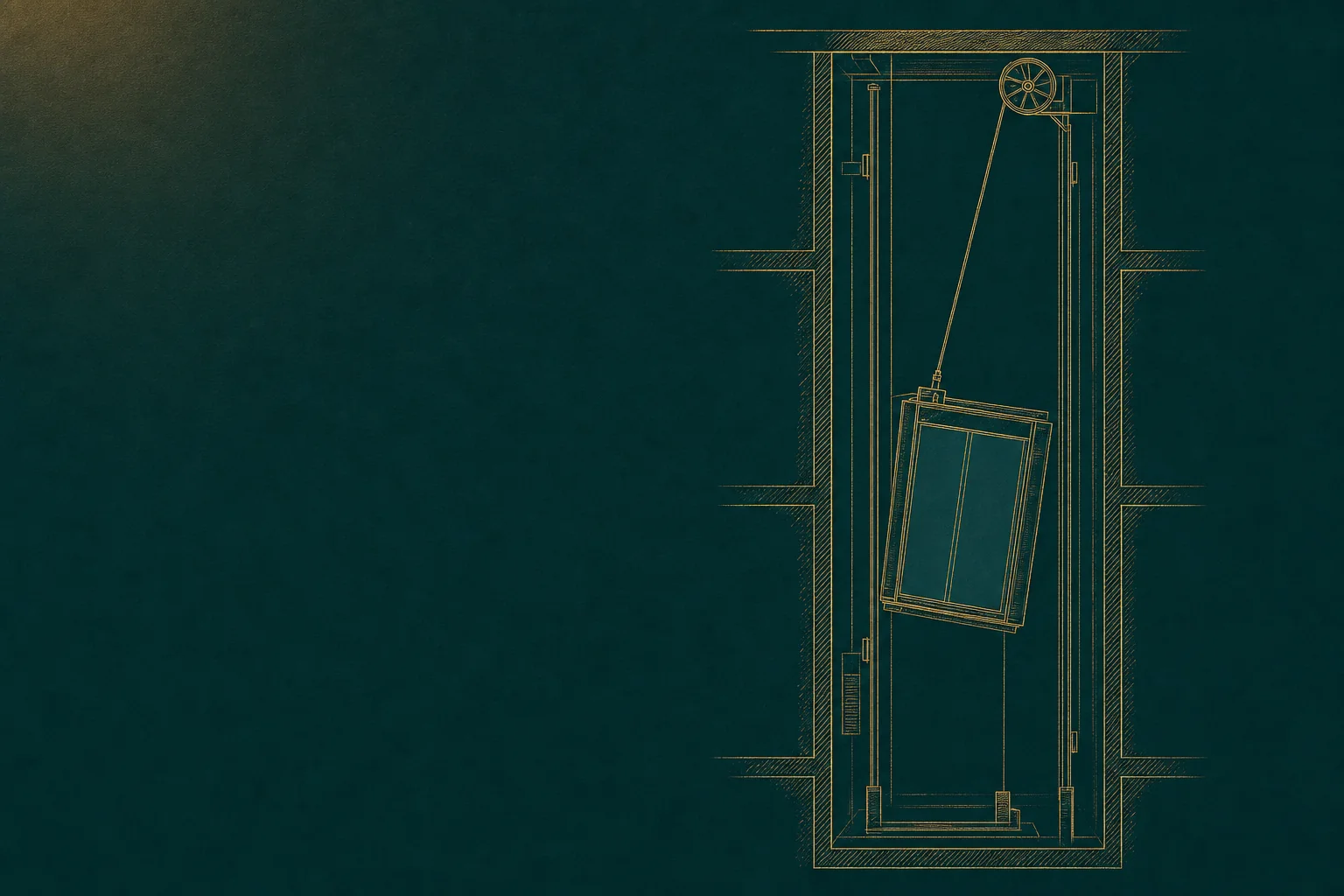
Elevator misleveling: The elevator stops but the floor of the car doesn't align with the building floor, creating a step-off hazard. Passengers trip on the uneven surface and fall — sometimes into the elevator shaft. Door closure injuries: Elevator doors closing on passengers, trapping limbs, or dragging people. Door safety sensors that fail to detect a person in the doorway. Sudden stops and drops: Cable failures, brake failures, and mechanical malfunctions that cause the elevator to drop or stop abruptly, throwing passengers to the floor. Escalator entrapment: Clothing, shoes, or fingers caught in the gap between the moving stairs and the side panel (the skirt). Escalator step collapse: Individual steps that give way under a passenger's weight. Sudden escalator stops: Emergency stops or mechanical failures that cause passengers to lose balance and fall.
Frequently Asked Questions
Q: Who is responsible for elevator and escalator safety in Michigan?
Multiple parties share responsibility. The building owner has a premises liability duty to ensure all equipment is safe for use. The maintenance company (usually a third-party contractor like Otis, KONE, Schindler, or ThyssenKrupp) is liable for negligent maintenance, inspection, and repair. The equipment manufacturer may be liable under product liability if a design or manufacturing defect caused the failure. Michigan's elevator safety code requires regular inspections and maintenance — violations of these requirements are evidence of negligence.
Q: What should I do after an elevator or escalator accident?
Report the incident to building management immediately and request a written incident report. Take photographs of the equipment, the hazard, and your injuries. Get witness contact information. Note the specific elevator or escalator (number, location within the building). Seek medical attention immediately. Then contact an attorney — the building owner and maintenance company will begin their own investigation immediately, and you need someone protecting your interests from the start.
Q: Are these cases difficult to prove?
Elevator and escalator accident cases benefit from something most personal injury cases lack: the evidence is mechanical and documented. Maintenance logs, inspection records, repair histories, and the equipment's own event data recorder all tell the story of whether the equipment was properly maintained. When an elevator drops because a cable wasn't inspected on schedule, the maintenance records prove it. I subpoena these records early because they're controlled by the defendants and can be altered or lost.
Q: What is the statute of limitations for an elevator or escalator accident claim in Michigan?
Three years from the date of injury under MCL § 600.5805 for negligence claims against the building owner and maintenance company. Product liability claims against the manufacturer follow the same three-year period under MCL § 600.5805(12). Michigan has no statute of repose barring claims on older equipment, though a product in use for 10 years or more must be proven without the benefit of any presumption. Government-owned building claims require 120-day notice under MCL § 691.1404.