Amusement Park & Recreation Injuries
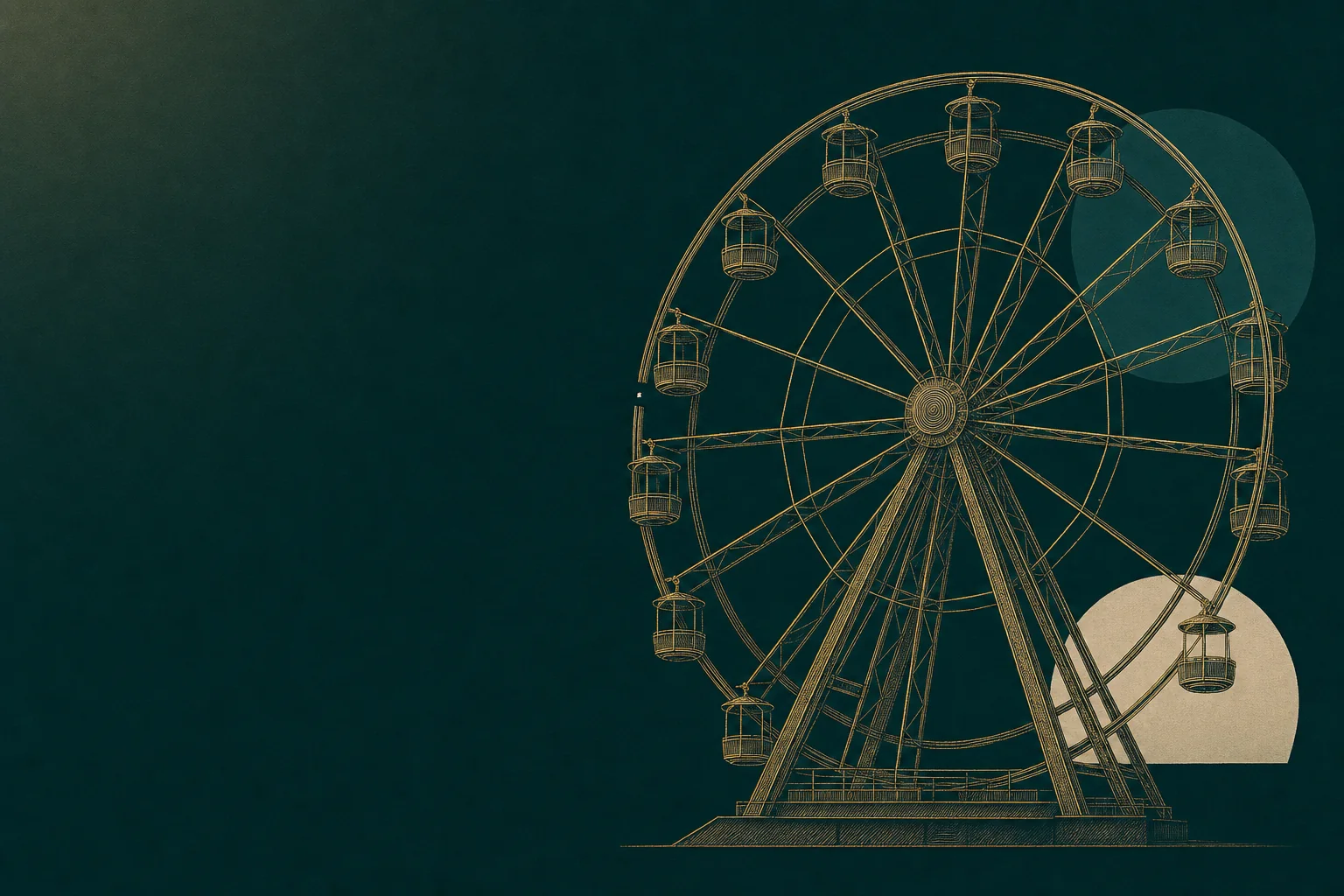
Amusement Park and Recreation Injuries in Michigan: When Fun Turns Into a Nightmare
Amusement parks, water parks, trampoline parks, go-kart tracks, zip lines, and other recreational facilities promise fun. What they don't advertise is the risk: mechanical failures on rides, inadequate safety restraints, operator error, slip and fall hazards, drowning risks at water parks, and collision injuries on go-karts and bumper cars. When a ride malfunction throws a person from a roller coaster, when a water slide launches someone into a concrete wall, or when a zip line harness fails — the injuries are catastrophic and the liability is clear.
At Koussan Law, I represent people injured at amusement parks and recreational facilities across Michigan. These cases involve premises liability against the facility operator, product liability against the ride or equipment manufacturer, and sometimes negligence against individual operators who failed to follow safety protocols. The recreational facility's commercial insurance provides the recovery that makes these cases viable — and the damages in serious ride-related injuries are substantial.
Michigan's Amusement Ride Safety Act
Michigan regulates amusement rides under the Carnival-Amusement Safety Act — MCL § 408.651 et seq. — which requires annual inspection of rides by the Department of Licensing and Regulatory Affairs (LARA), compliance with ASTM International safety standards, maintenance records, operator training, and incident reporting. Violations of these requirements are evidence of negligence — and the facility's inspection history, maintenance records, and prior incident reports often reveal a pattern of safety shortcuts that support the claim.
Frequently Asked Questions
Q: Does a signed liability waiver prevent me from suing an amusement park?
Not necessarily. Michigan courts have held that liability waivers for recreational activities are enforceable for ordinary negligence — but they do not protect against gross negligence, willful misconduct, or violations of safety statutes. A waiver doesn't protect a park that operates a ride with a known mechanical defect, ignores height and weight restrictions, or fails to comply with LARA inspection requirements. Product liability claims against the ride manufacturer are also not affected by a waiver you signed with the park operator. I evaluate every waiver to determine its enforceability.
Q: What types of amusement park injuries support a legal claim?
Ride ejections and falls from inadequate restraints, ride mechanical failures (structural collapse, brake failure, control system malfunction), water park injuries (drowning, slide ejection, wave pool injuries), trampoline park injuries (broken bones, spinal injuries from falls or collisions), go-kart collisions from inadequate barriers or speed governors, zip line harness failures, and general premises hazards (slip and fall on wet surfaces, food poisoning, heat-related illness from inadequate facilities). Each injury type points to specific failures in the facility's duty of care.
Q: Can I sue for an injury at a trampoline park?
Yes. Trampoline parks have become a major source of pediatric fractures and spinal injuries. Despite the waivers they require, claims survive when the park failed to enforce safety rules (too many jumpers on one trampoline), failed to maintain equipment (worn padding, torn mesh), failed to adequately supervise, or failed to comply with industry safety standards. The waiver won't protect a park that put your child in a dangerous situation through its own negligence.
Q: What is the statute of limitations for an amusement park injury claim in Michigan?
Three years from the date of injury under MCL § 600.5805. For minors, the statute is tolled under MCL § 600.5851 until age 18. Product liability claims against ride manufacturers follow the same three-year statute. Michigan has no statute of repose for product liability claims. If the product has been in use for 10 years or more, MCL § 600.5805(12) requires the plaintiff to make out a prima facie case without the benefit of any presumption, but the age of the product does not bar the claim. Government-operated facilities (county fairgrounds, municipal water parks) require 120-day notice under MCL § 691.1404.