Michigan lead poisoning attorney. Children and adults exposed to lead paint, contaminated water, or toxic soil deserve justice and compensation. Koussan Law. Free consultation.
1
2
3
4
Lead Poisoning
Lead Poisoning in Michigan: Children Are Still Being Exposed, and Property Owners Are Still Liable
Short answer: A Michigan landlord can be held liable when a child is lead poisoned in a rental the owner knew or should have known contained lead hazards. Federal law requires disclosure of known lead-based paint hazards before a lease is signed (42 U.S.C. § 4852d), and Michigan's Lead Abatement Act (MCL § 333.5451 et seq.) imposes further duties. Housing built before 1978 is the usual source, through dust from paint peeling off windowsills, door frames and walls.
The Flint water crisis made national headlines, but lead poisoning in Michigan extends far beyond one city's water supply. Detroit, Grand Rapids, Hamtramck, and dozens of other Michigan cities have housing stock built before 1978 — the year lead-based paint was banned for residential use — and children living in these homes are being exposed to lead dust every day. Lead paint peeling from windowsills, door frames, and walls creates dust that children ingest through normal hand-to-mouth behavior. The damage is neurological, often irreversible, and entirely preventable.
At Koussan Law, I represent families of children who have been lead poisoned due to negligent landlords and property owners. These cases are about accountability: a landlord who knew or should have known about lead paint hazards and failed to remediate them. Michigan law, federal regulations, and local ordinances all impose duties on property owners — and when they ignore those duties, they pay for the harm their negligence causes.
Michigan's Lead Paint Laws and Landlord Liability
Under the federal Lead Disclosure Rule (42 U.S.C. § 4852d), landlords must disclose known lead-based paint hazards to tenants before lease signing and provide the EPA pamphlet on lead hazards. Michigan's Lead Abatement Act (MCL § 333.5451 et seq.) establishes standards for lead inspection, risk assessment, and abatement. Local ordinances in Detroit and other cities impose additional requirements including mandatory lead clearance certificates for rental properties.
When a landlord fails to disclose, fails to inspect, or fails to remediate known lead hazards — and a child is poisoned as a result — the landlord is liable under negligence and potentially negligence per se theories. The duty to maintain habitable premises free from known hazards is well-established in Michigan law, and lead paint is one of the most clearly defined hazards in residential housing.
The Medical and Developmental Impact
Lead poisoning in children causes cognitive impairment, learning disabilities, behavioral problems including ADHD and aggression, developmental delays, speech and language impairment, and in severe cases, seizures and permanent brain damage. There is no safe level of lead exposure in children — the CDC uses a reference value of 3.5 µg/dL, but damage can occur below that threshold. The younger the child, the more severe the impact, because their developing brains are far more susceptible to lead's neurotoxic effects.
The damages in lead poisoning cases reflect this severity: lifetime costs for special education, tutoring, therapy, medical monitoring, lost future earning capacity, and pain and suffering. These cases often have seven-figure values because the harm is permanent and affects every aspect of the child's future.
Frequently Asked Questions
Q: How do I know if my child has been exposed to lead?
A simple blood test measures lead levels. Michigan law requires blood lead testing for children enrolled in Medicaid at ages 1 and 2, and screening is recommended for all children in high-risk housing. If your child's blood lead level is elevated — even at levels the CDC considers below the reference value — request a home inspection. I've taken cases where landlords claimed the property was lead-free, but testing revealed hazardous lead levels in dust and deteriorating paint throughout the home.
Q: Can I sue my landlord for lead poisoning in Michigan?
Yes. If the landlord knew or should have known about lead paint hazards — and in pre-1978 housing, they should always be on notice — and failed to disclose, inspect, or remediate, they're liable for the resulting harm. Federal disclosure violations provide additional claims. I've recovered significant settlements from landlords and property management companies that ignored their obligations while children suffered permanent neurological damage in their properties.
Q: What is the statute of limitations for lead poisoning claims?
For minors, the statute of limitations is tolled until the child turns 18 under MCL § 600.5851, giving them until age 21 to file a negligence claim (three years after turning 18). However, filing sooner is always better — evidence of the property's condition, landlord knowledge, and inspection records becomes harder to obtain over time. I recommend families contact an attorney as soon as elevated blood lead levels are confirmed.
Q: What damages are available in a lead poisoning case?
Economic damages include past and future medical expenses, special education costs, tutoring, behavioral therapy, occupational therapy, and projected lost earning capacity based on the cognitive impact of the lead exposure. Non-economic damages cover pain and suffering, emotional distress, loss of enjoyment of life, and the permanent developmental harm the child endures. These cases frequently involve expert testimony from pediatric neurologists, toxicologists, economists, and educational specialists to quantify the lifetime impact.
Lead Poisoning in Michigan
Lead poisoning is a serious health concern that affects individuals of all ages, particularly children, and poses significant risks to public health. In Michigan, like many other states, lead poisoning remains a prevalent issue with far-reaching consequences for communities across the state.
The significance of lead poisoning lies in its potential to cause irreversible damage to health, particularly in children. Lead exposure can lead to developmental delays, learning disabilities, behavioral problems, and other serious health issues. Furthermore, the effects of lead poisoning can persist into adulthood, impacting cognitive function, cardiovascular health, and overall well-being.
According to data from the Michigan Department of Health and Human Services (MDHHS), thousands of children in Michigan are identified with elevated blood lead levels each year. These cases disproportionately affect low-income communities, communities of color, and areas with aging infrastructure.
Understanding Lead Poisoning
Lead poisoning occurs when lead, a toxic heavy metal, enters the body and accumulates at levels harmful to health. Lead exposure can occur through various routes, including ingestion, inhalation, or skin absorption. Once in the body, lead interferes with critical bodily functions, causing a range of adverse health effects.
The health effects of lead poisoning can manifest in several ways, depending on the level and duration of exposure. In children, who are particularly vulnerable, lead poisoning can lead to developmental delays, learning disabilities, reduced IQ, behavioral problems, and impaired growth. Even low levels of lead exposure can cause subtle but permanent damage to a child's developing brain and nervous system, with long-term implications for cognitive function and overall well-being.
In adults, lead poisoning can result in high blood pressure, kidney damage, reproductive problems, and neurological disorders. Pregnant women exposed to lead may experience complications such as miscarriage, preterm birth, or birth defects, as lead can cross the placental barrier and harm the developing fetus.
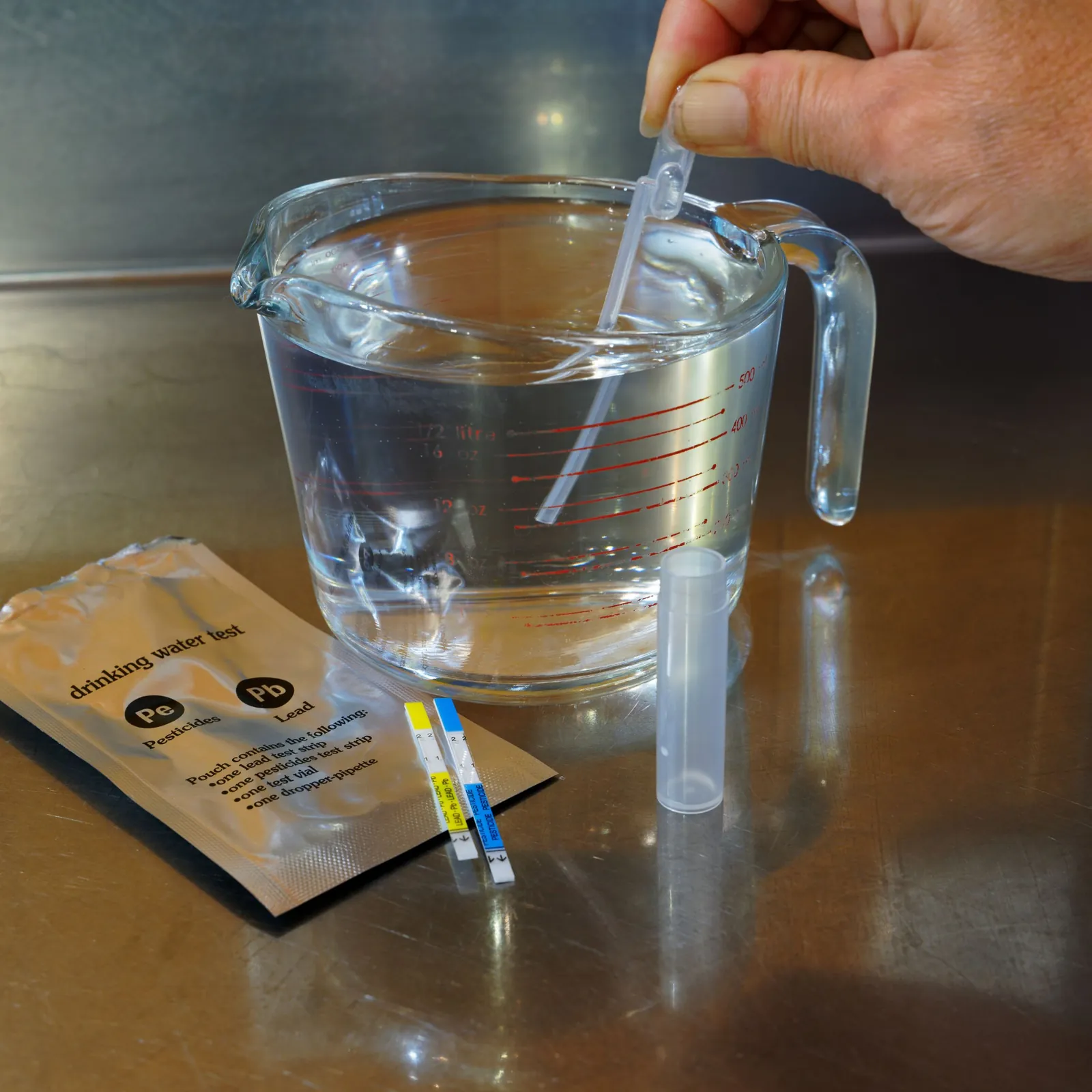
Drinking water chemical testing
Sources of Lead Exposure in Michigan
1. Lead-based paint: Lead-based paint is a prevalent source of lead exposure in older homes and buildings, particularly those built before 1978 when lead-based paint was banned for residential use. Deteriorating lead paint chips and dust pose risks, especially during renovation or remodeling activities.
2. Contaminated soil and water: Lead-contaminated soil and water can result from various sources, including industrial activities, mining operations, and lead pipes or plumbing fixtures. Ingesting or inhaling lead-contaminated soil particles or water droplets can lead to lead poisoning.
3. Lead in consumer products: Certain consumer products, such as imported toys, cosmetics, and pottery, may contain lead-based materials. Ingesting or handling these products can result in lead exposure, particularly in children who are prone to mouthing objects.
4. Occupational exposure: Workers in certain industries, such as construction, manufacturing, battery recycling, and lead smelting, may face occupational exposure to lead through inhalation or skin contact with lead-containing materials.
Vulnerable Populations at Risk of Lead Poisoning
- Children: Young children, especially those living in older homes or in communities with deteriorating infrastructure, are particularly vulnerable to lead poisoning due to their hand-to-mouth behavior, developmental stage, and increased susceptibility to lead's harmful effects.
- Pregnant women: Lead exposure during pregnancy can harm both the mother and the developing fetus, increasing the risk of adverse pregnancy outcomes and long-term health effects in the offspring.
- Low-income communities: Residents of low-income communities, often living in older housing with inadequate maintenance and lead-based paint hazards, face higher risks of lead exposure and associated health disparities.
- Communities of color: Communities of color, disproportionately affected by environmental injustices and systemic inequities, may bear a disproportionate burden of lead exposure and its adverse health effects.
Legal Framework for Lead Poisoning Cases
Laws and Regulations Governing Lead Poisoning in Michigan
1. Lead Safe Housing Rule: The Lead Safe Housing Rule establishes standards for lead-based paint hazards in federally assisted housing and requires landlords to disclose known lead hazards to tenants.
2. Lead and Copper Rule: The Lead and Copper Rule regulates lead and copper levels in drinking water, requiring public water systems to monitor and mitigate lead contamination.
3. Michigan Lead Safe Work Practices: Michigan's lead safe work practices regulations set forth guidelines for the safe removal and abatement of lead-based paint hazards in residential and commercial properties.
4. Childhood Lead Poisoning Prevention Program: Michigan's Childhood Lead Poisoning Prevention Program aims to prevent childhood lead poisoning through education, screening, case management, and environmental investigations.
5. Lead Disclosure Requirements: Michigan law requires landlords and property sellers to disclose known lead hazards in rental properties and residential real estate transactions.
Responsibilities of Property Owners, Landlords, and Government Agencies
- Property owners and landlords are required to maintain rental properties in compliance with lead safety standards, conduct lead risk assessments, and address any identified lead hazards promptly.
- Government agencies, such as the Michigan Department of Health and Human Services (MDHHS) and local health departments, play a crucial role in lead poisoning prevention efforts, including lead testing, case management, enforcement of lead safety regulations, and public education.
- Health care providers are mandated reporters of elevated blood lead levels in children, responsible for screening, testing, and reporting cases of lead poisoning to public health authorities.
Legal Rights and Remedies for Victims of Lead Poisoning
- Civil lawsuits: Victims of lead poisoning may file civil lawsuits against property owners, landlords, contractors, or other responsible parties for negligence, premises liability, or violations of lead safety regulations.
- Compensation for damages: In civil lawsuits, victims may seek compensation for medical expenses, pain and suffering, loss of income, property damage, and other losses associated with lead poisoning.
- Government assistance programs: Victims of lead poisoning may be eligible for government assistance programs, such as Medicaid, the Children's Health Insurance Program (CHIP), or local lead hazard control programs, to cover medical costs and remediation expenses.
- Advocacy and public policy initiatives: Advocacy groups, community organizations, and legal advocates play a vital role in advocating for policy changes, funding for lead prevention programs, and stronger enforcement of lead safety regulations to protect public health and hold accountable parties responsible for lead poisoning.
Services Offered by Koussan Law
Initial Consultation and Case Evaluation for Lead Poisoning Cases
We understand the complexities of lead poisoning cases and offer initial consultations, at no cost, to assess each client's situation. During the free consultation, we listen to our clients' experiences, evaluate the circumstances surrounding their lead exposure, and provide personalized legal guidance. Our goal is to empower clients with the information they need to make informed decisions about their legal options.
Investigation and Evidence Gathering to Determine Liability
Determining liability in lead poisoning cases requires thorough investigation and evidence gathering. Our legal team conducts comprehensive investigations to identify responsible parties, assess liability, and gather evidence to support our clients' claims. We work diligently to uncover the root causes of lead exposure, whether it be negligent property maintenance, environmental contamination, or other factors contributing to our clients' injuries.
Legal Representation for Victims of Lead Poisoning in Negotiations and Litigation
We provide vigorous legal representation for victims of lead poisoning throughout negotiations and litigation processes. Our experienced attorneys advocate for our clients' rights, seeking fair compensation for their injuries, medical expenses, pain and suffering, and other damages. Whether through settlement negotiations or courtroom litigation, we are dedicated to achieving favorable outcomes for our clients and holding accountable parties responsible for their lead exposure.
Contact Koussan Law
Thank you for considering Koussan Law for your legal needs. If you or a loved one has been affected by lead poisoning or any other personal injury, we are here to help. Please don't hesitate to reach out to us to schedule a FREE consultation or to learn more about our services.
Take the first step towards seeking justice and compensation by scheduling a free consultation with our experienced legal team. During your consultation, we will listen to your story, assess your case, and provide personalized legal guidance tailored to your unique situation. Don't wait to get the help you need – contact us today to schedule your free consultation.
+Please Read the Disclaimer Page regarding Statute of Limitations
Aggressive Representation for Lead Poisoning Victims
If you or a loved one has suffered due to someone else's negligence, Koussan Law is here to fight for the compensation you deserve. Free consultation. No fees unless we win. Call (313) 800-0000 today.
Who is liable for lead poisoning in Michigan?
Landlords are the most common defendants because Michigan's Lead Abatement Act (MCL 333.5471 et seq.) and housing codes require them to maintain rental properties free of lead hazards. Property management companies, prior property owners who failed to disclose lead paint, and government entities (as in the Flint water crisis) may also be liable. Under MCL 554.139, landlords must maintain habitable conditions.
What damages can lead poisoning victims recover in Michigan?
Victims can recover medical testing and treatment costs, chelation therapy expenses, educational support and special needs services, lost future earning capacity (lead exposure causes permanent cognitive impairment), pain and suffering, and diminished quality of life. For children, lifetime damages can be substantial due to the permanent neurological effects of lead exposure.
How does lead poisoning affect children's legal claims in Michigan?
Children are most vulnerable to lead poisoning because their developing brains suffer permanent damage at lower exposure levels. Michigan's statute of limitations is tolled for minors under MCL 600.5851 until age 18. The discovery rule also applies because lead poisoning effects may not be identified until years after exposure. This gives families extended time to file claims.
What is the statute of limitations for lead poisoning claims?
Under MCL 600.5805(2), the standard personal injury statute is three years, but the discovery rule extends this because lead poisoning is often not diagnosed until years after exposure. For minors, the statute is tolled until age 18 under MCL 600.5851. Landlord negligence claims may also proceed under contract theories with different limitation periods.
Why hire Koussan Law for a lead poisoning case?
Lead poisoning cases require proof of the lead source, the landlord's knowledge or duty to inspect, and the extent of neurological damage. Koussan Law retains toxicologists, neuropsychologists, and housing inspectors to build comprehensive lead poisoning claims. Attorney Ali Koussan fights for Michigan children harmed by negligent landlords. Call (313) 800-0000.
Michigan statutes cited in this guide
The sections of Michigan law this page relies on, linked to the text.
At Koussan Law, no case is too complex. Whether it’s a trucking accident, lead poisoning, or a child’s rights violation, our experienced attorneys are committed to achieving justice for you and your loved ones.
Medical Provider No-Fault Collections
Koussan Law represents Michigan medical providers in collecting unpaid and underpaid no-fault claims from auto insurance carriers: surgeons, ambulatory surgery centers, pain management, and ancillary providers. Over $50 million recovered for a single provider client. Call (313) 800-0000.
Denied Social Security Disability in Michigan? Koussan Law does not handle SSDI or SSI claims in-house, but can refer you to an experienced disability firm in our referral network. Call (313) 800-0000 for a free consultation and referral.
Oops! Something went wrong while submitting the form.
Practice Areas & Referral Disclaimer
Koussan Law does not practice in every area listed on this website. Certain practice areas are listed for informational purposes and for the purpose of referrals, and matters in those areas may be referred to other law firms with which Koussan Law has a referral relationship. Any such referral, and any division of fees between firms, is made only with the client's informed consent and in accordance with the Michigan Rules of Professional Conduct, including Rule 1.5(e). The listing of a practice area on this website is not a representation or guarantee that Koussan Law will personally represent you in that matter, and contacting the firm or submitting an inquiry does not by itself create an attorney-client relationship.
Se habla español · نتحدث العربية · We serve clients in English, Spanish & Arabic.