T-Bone & Side Impact Collisions
T-Bone and Side-Impact Collisions in Michigan: Why These Crashes Are So Dangerous
Short answer: T-bone crashes cause severe injuries because the side of a vehicle has no crumple zone. A door panel, a side curtain airbag and a few inches of space are all that separate an occupant from the striking bumper, so the force transfers almost directly into the body. Most happen at intersections when a driver runs a red light, ignores a stop sign or turns left across traffic, which usually makes fault clear and moves the fight to the scope of the injuries.
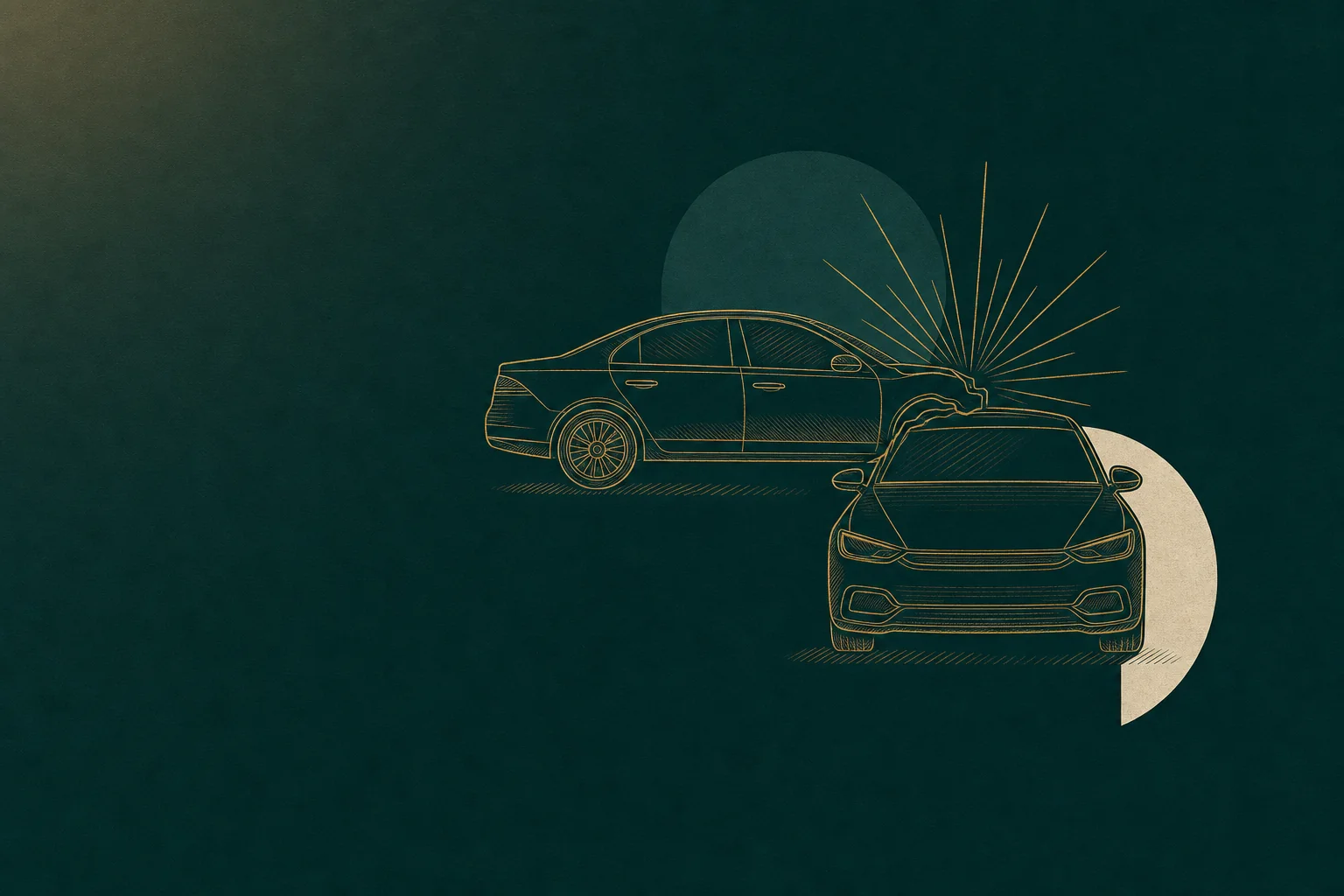
There's a reason T-bone collisions produce some of the worst injuries I see in my practice: the side of a car offers almost no protection. The front and rear of a vehicle have crumple zones — feet of engineered metal designed to absorb impact energy before it reaches the occupants. The side? A thin door panel, maybe a side-curtain airbag, and a few inches of space between you and the other vehicle's bumper. When a car or truck slams into the side of your vehicle at an intersection, the forces transfer almost directly into your body.
At Koussan Law, I represent T-bone and side-impact collision victims across Michigan. These crashes typically happen at intersections — someone runs a red light, ignores a stop sign, or makes an unprotected left turn into oncoming traffic. The at-fault driver's negligence is usually clear. What's less clear to insurance adjusters is the full scope of the injuries, which often include traumatic brain injuries, pelvic fractures, spleen and liver lacerations, and hip injuries that require total joint replacement. I make sure the full picture gets presented.
Why Side Impacts Cause Catastrophic Injuries
The biomechanics are brutal. In a frontal collision, the engine compartment absorbs significant energy before it reaches the passenger cabin. In a side-impact collision, the struck door intrudes directly into the passenger space. The occupant on the struck side absorbs forces through the door panel, armrest, and window — all within inches of their torso, pelvis, and head. Side-curtain airbags help, but they deploy against the head and can't prevent the torso and pelvis injuries caused by door intrusion.
Common injuries from T-bone collisions include: traumatic brain injuries (from the head striking the window, door frame, or B-pillar), pelvic fractures (from door intrusion compressing the hip), internal organ damage (particularly to the spleen and liver on the struck side), rib fractures, arm and shoulder injuries (from the door crushing inward), and cervical spine injuries. For occupants on the struck side, these injuries are often catastrophic.
Frequently Asked Questions
Q: Who is at fault in a T-bone collision?
Fault depends on who had the right of way. If the other driver ran a red light (MCL § 257.612), ignored a stop sign (MCL § 257.649), or made an improper left turn (MCL § 257.650), they're at fault. Traffic camera footage, witness testimony, and the police report establish right-of-way violations. In some cases, both drivers share fault — Michigan's comparative negligence statute (MCL § 600.2959) reduces your recovery by your percentage of fault. Only a fault share greater than 50% cuts off non-economic damages; economic damages like medical bills and lost wages are reduced but never barred.
Q: What if the traffic light was malfunctioning?
If a malfunctioning traffic signal contributed to the collision, the government entity responsible for maintaining that signal may share liability. Under Michigan's governmental immunity statute, claims against government entities require strict compliance with the 120-day notice requirement under MCL § 691.1404 and must fall within a recognized exception to immunity — the highway exception (MCL § 691.1402) or the defective public building exception being the most common. I investigate signal timing and maintenance records in every intersection crash.
Q: The other driver says the light was green for them too. How do we resolve this?
Disputed right-of-way is common in T-bone collisions. I resolve it through evidence: traffic camera footage (many Michigan intersections have cameras), dashcam video from either vehicle, EDR data showing vehicle speeds and timing, independent witness testimony, and signal timing analysis. When physical evidence contradicts the other driver's story, the case becomes strong.
Q: What is the statute of limitations for a T-bone collision claim in Michigan?
Three years from the date of the accident under MCL § 600.5805. PIP benefits have a one-year-back rule under MCL § 500.3145. Government entity claims (including claims for malfunctioning traffic signals) require 120-day notice under MCL § 691.1404. The serious impairment threshold under MCL § 500.3135 applies to pain and suffering claims.