Delivery Vehicle Accidents
Delivery Vehicle Accidents in Michigan: Amazon, FedEx, UPS, and the Rise of Last-Mile Crash Risk
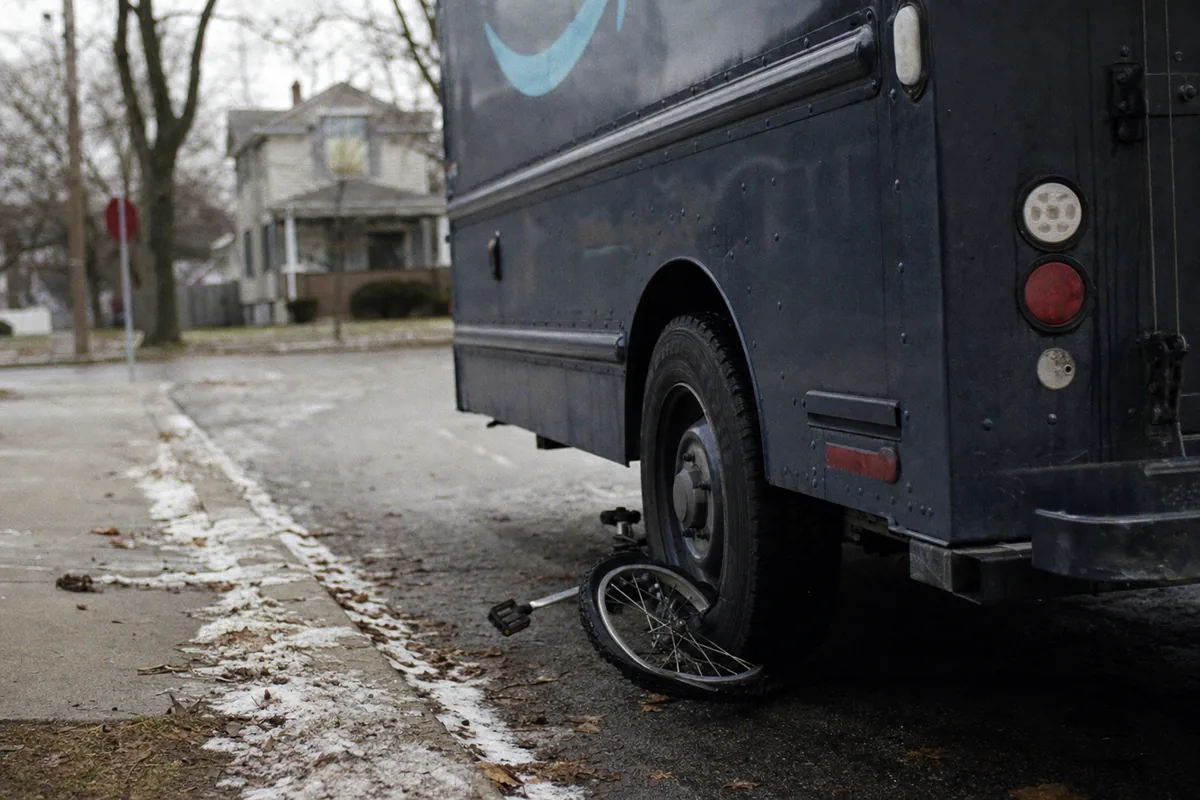
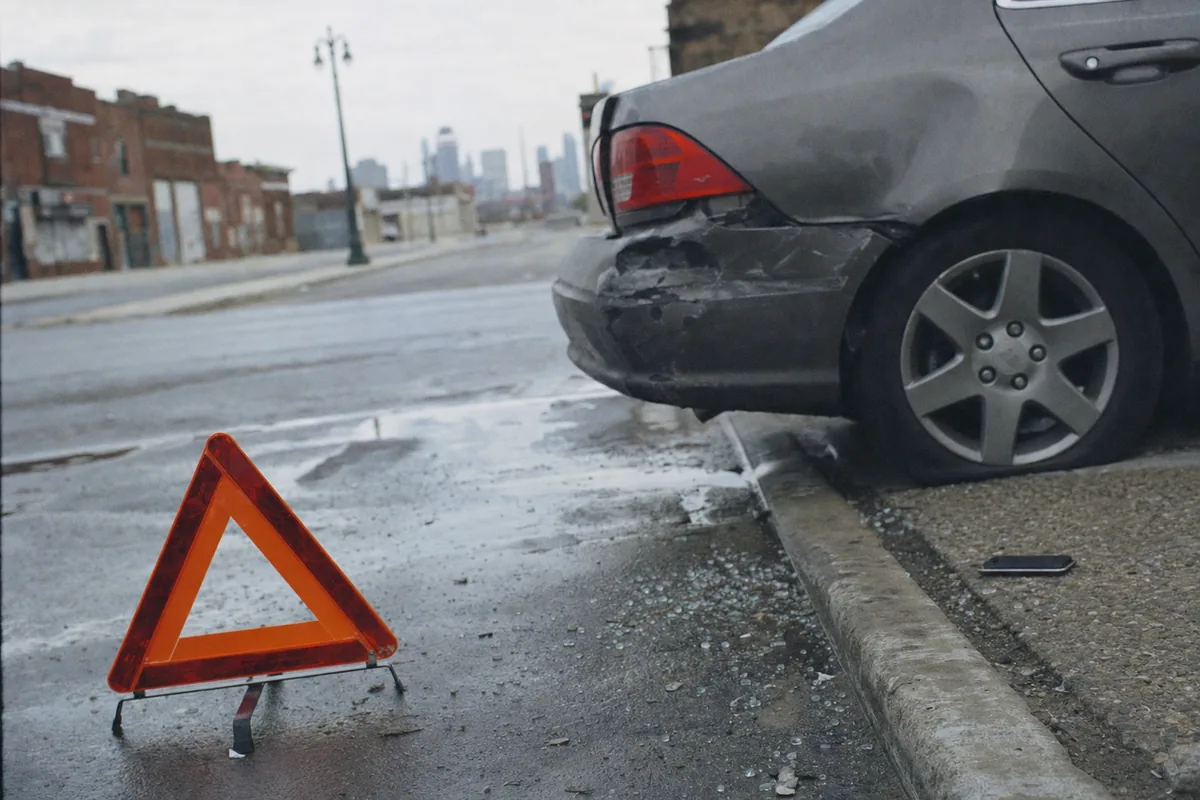
The explosion of online shopping has put more delivery vehicles on Michigan roads than ever before. Amazon vans, FedEx trucks, UPS vehicles, USPS carriers, DoorDash drivers, Instacart shoppers — they're everywhere, all day, every day. And they're under intense pressure to deliver fast. That pressure creates dangerous driving: running stop signs, double-parking in travel lanes, backing into pedestrians without looking, speeding through residential neighborhoods, and distracted driving while checking delivery apps. The result is a category of accidents that barely existed a decade ago and now fills my caseload.
At Koussan Law, I represent people injured by delivery vehicles across Michigan. These cases have a significant advantage over typical auto accident claims: delivery companies carry commercial auto insurance with policy limits far exceeding personal auto coverage. An Amazon DSP (Delivery Service Partner) van carries commercial coverage. A FedEx ground contractor has commercial fleet insurance. Even gig economy delivery drivers — DoorDash, Instacart, Uber Eats — may be covered by the platform's commercial policy when delivering. More insurance means more available recovery for my clients.
Who's Liable: The Corporate Structure Problem
Delivery companies have built elaborate corporate structures specifically designed to insulate themselves from liability. Amazon doesn't employ its delivery drivers — it contracts with DSPs (Delivery Service Partners) who technically employ the drivers. FedEx Ground uses independent contractors. These structures are designed to let the parent company argue "that's not our driver" when a crash happens. But Michigan law sees through these structures when the parent company retains sufficient control over how the work is performed — controlling routes, delivery schedules, vehicle branding, uniforms, and performance metrics. I pursue both the direct employer/contractor and the parent company in every delivery vehicle case.
Frequently Asked Questions
Q: If an Amazon delivery driver hits me, do I sue Amazon or the DSP?
Both. The DSP is the driver's direct employer and carries commercial auto insurance. Amazon is potentially liable under respondeat superior or agency theory if Amazon exercised sufficient control over the delivery operations — which it does, through its Flex app, route optimization, delivery windows, performance metrics, and vehicle specifications. Amazon has also been found liable under its own commercial auto policy in some jurisdictions. I name both defendants to maximize available insurance coverage.
Q: What about gig economy delivery drivers — DoorDash, Instacart, Uber Eats?
Gig economy platforms maintain commercial auto liability policies that cover their drivers while on active deliveries. DoorDash, for example, carries a commercial policy that applies when a Dasher is on an active delivery. The coverage may not apply during the waiting period between orders. The driver's personal auto policy may also apply, though many personal policies exclude commercial delivery activity. I analyze the driver's status at the time of the crash (waiting for order, en route to pickup, delivering) to determine which policies are triggered.
Q: Are delivery vehicle accidents more dangerous than regular car accidents?
Delivery vans are heavier than passenger vehicles, which means they inflict more damage in collisions. A loaded Amazon Sprinter van weighs over 8,000 pounds — roughly twice the weight of a sedan. The physics of mass differential means the occupants of the smaller vehicle absorb disproportionate forces. Additionally, delivery vehicles make frequent stops, operate in residential areas where children and pedestrians are present, and back up frequently — creating unique hazard patterns.
Q: What is the statute of limitations for a delivery vehicle accident claim in Michigan?
Three years from the date of the accident under MCL § 600.5805. PIP benefits have a one-year-back rule under MCL § 500.3145. Claims against government mail carriers (USPS) are governed by the Federal Tort Claims Act, which requires an administrative claim within two years and has its own procedural requirements. Don't assume a delivery vehicle accident is a simple auto claim — the corporate structure and insurance layers require early legal analysis.