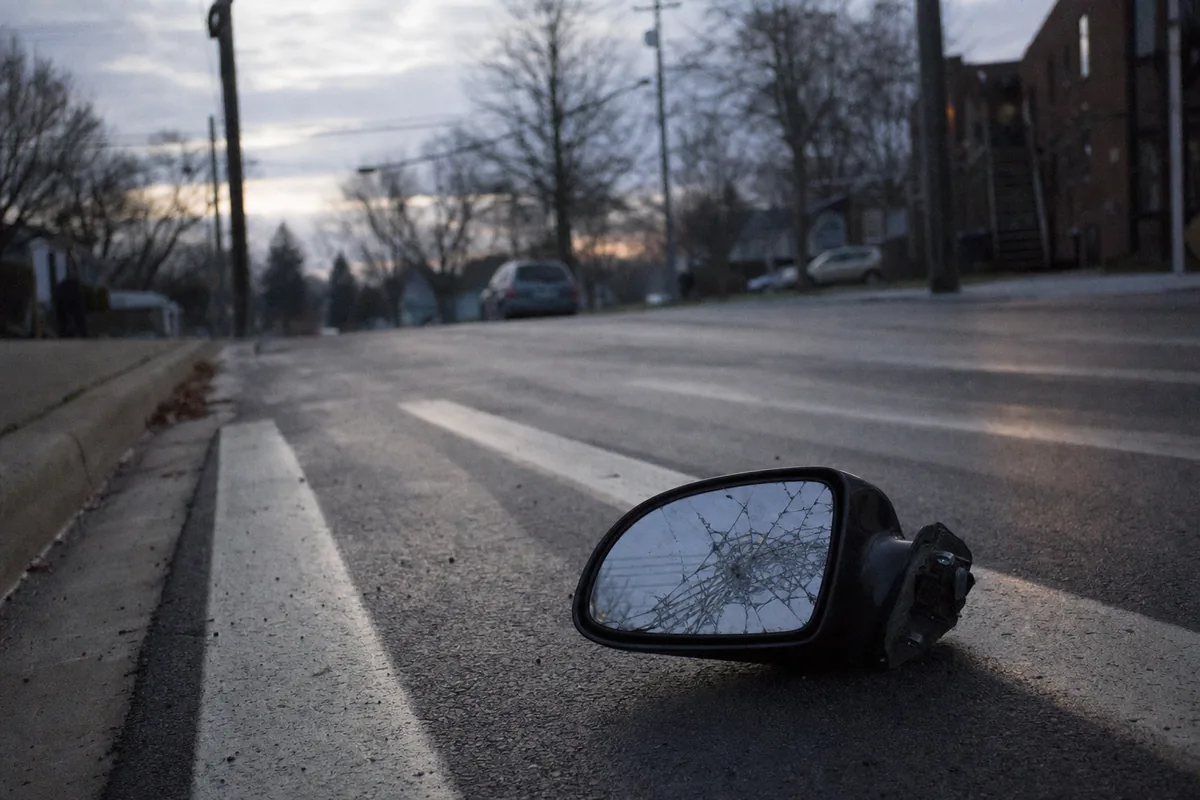
You're driving on I-75 in Detroit when another vehicle rear-ends you. You pull over, expecting the other driver to do the same. Instead, they accelerate and disappear into traffic.
Or: You're parked at a store in Dearborn. You return to find your car damaged, your bumper hanging off, and no note. Another hit-and-run.
Hit-and-run accidents are frustrating and unfortunately common in Michigan. The driver's flight from the scene adds insult to injury. You're injured and damaged, but the person responsible has disappeared.
The good news: Michigan law provides remedies even when the hit-and-run driver is never caught. These remedies involve your own insurance, the law, and the civil courts.
Hit-and-Run Laws in Michigan
Michigan law requires drivers involved in accidents to stop, identify themselves, and provide their information to other parties. Failing to do so is a crime.
Under MCL 257.619, a driver who leaves the scene of an accident without providing identification or reporting to police commits hit-and-run. The penalty depends on the severity of injuries:
No Injury or Property-Damage-Only Hit-and-Run
This is a misdemeanor, punishable by up to 90 days in jail and/or a fine of up to $100.
Injury Hit-and-Run
If someone is injured, hit-and-run is a felony, punishable by up to 5 years imprisonment and/or a fine of up to $5,000.
Death Hit-and-Run
If the accident causes death, hit-and-run is a felony punishable by up to 15 years imprisonment.
These criminal penalties apply to the driver, but they don't compensate you for your injuries and damages. That's where civil liability comes in.
Your Civil Remedies When the Driver Fled
Uninsured Motorist Coverage
This is your most important remedy. Michigan law requires all auto insurance policies to include Uninsured Motorist (UM) coverage. This coverage applies when you're hit by an uninsured or hit-and-run driver.
UM coverage reimburses you for medical expenses, lost wages, pain and suffering, and other damages caused by the uninsured or hit-and-run driver. In Michigan, you can stack UM coverage from multiple vehicles or policies to increase your recovery.
The key requirement: You must report the hit-and-run to law enforcement and your insurance company promptly. Without a police report, your UM claim may be denied.
Underinsured Motorist Coverage
If you have Underinsured Motorist (UIM) coverage, this coverage may also apply if the hit-and-run driver had inadequate insurance limits (though in a true hit-and-run, the driver is typically unknown).
Medical Payments Coverage
Medical Payments (Med Pay) coverage reimburses medical expenses up to your policy limit, regardless of fault. This coverage applies immediately after a hit-and-run and is often your first source of reimbursement.
Collision Coverage
If you have collision coverage on your vehicle, this covers damage to your car from the hit-and-run. Typically, you'll pay a deductible.
Pursuing the Hit-and-Run Driver
If the hit-and-run driver is later identified and caught, you can pursue a civil claim against them for damages in excess of what your UM coverage provides.
Finding the Hit-and-Run Driver
Not all hit-and-run drivers escape. Modern technology and detective work can sometimes identify the responsible driver:
Surveillance Footage
If the hit-and-run occurred on a street with traffic cameras or near a business with security cameras, footage may identify the vehicle or driver.
Witness Information
Bystanders may have seen the driver and can provide descriptions or vehicle information.
Vehicle Damage
The hit-and-run driver's vehicle will also be damaged. Police can search for vehicles with matching damage.
Paint Samples and Forensics
Paint transferred in the collision can be analyzed forensically and matched to specific vehicle makes and models.
License Plate Information
If a witness saw the license plate or partial plate, police can search vehicle registration databases.
Dash Cam Footage
If you or other drivers had dash cams, footage may identify the responsible driver.
Michigan State Police and local police departments have detective units dedicated to hit-and-run investigations. However, resources are limited, and many hit-and-run cases remain unsolved.
Steps to Take After a Hit-and-Run
Ensure Your Safety
Move to a safe location if possible. Turn on your hazard lights.
Call Police Immediately
Report the hit-and-run to law enforcement. A police report is essential for your UM insurance claim.
Document the Scene
Take photos of vehicle damage, the accident location, and any visible evidence (glass, paint chips, vehicle parts).
Get Witness Information
Ask any nearby people if they saw the accident. Get their names and contact information.
Seek Medical Attention
Even if you don't feel injured immediately, get checked by a medical professional. Some injuries don't manifest immediately.
Report to Your Insurance Company
Notify your insurance company of the hit-and-run as soon as possible. Provide the police report number.
Preserve Evidence
Preserve all evidence related to the accident, including photos, police reports, and medical records.
Challenges in Hit-and-Run Cases
UM Coverage Disputes
Your insurance company may dispute your UM claim, arguing that the "hit" did not actually occur or that the damage resulted from something else. If this happens, an attorney can help you fight the denial.
Comparative Fault
Your own negligence (if any) will reduce your recovery under UM coverage. For example, if you were partly at fault for the accident (even though the driver fled), this reduces your award.
Policy Limits
Your UM coverage has limits. If damages exceed these limits and the driver is identified, you may pursue the driver directly for excess damages. But if the driver is never found, your UM limits are your maximum recovery.
UM Coverage Example
Imagine you have $100,000 in UM coverage. You're hit by a driver who flees. Your injuries cost $50,000 in medical expenses, and you lose $20,000 in wages during recovery. Your pain and suffering is valued at $40,000. Total damages: $110,000.
Your UM coverage will pay up to its $100,000 limit. The additional $10,000 remains unrecovered unless the hit-and-run driver is later identified and pursued.
If the Hit-and-Run Driver Is Identified
If police later identify the hit-and-run driver, you can:
1. File a Criminal Complaint
Work with prosecutors to bring hit-and-run charges against the driver. Criminal prosecution doesn't compensate you directly, but it may result in restitution ordered by the court.
2. Pursue a Civil Claim
File a lawsuit against the driver for damages in excess of your UM recovery. If the driver has personal assets or additional insurance, you may recover beyond your UM limits.
3. Recover Excess Damages from the Driver's Insurance
The driver's auto insurance (if they had it) may cover damages. Your attorney can pursue the driver's insurance company.
Why You Need an Attorney
Hit-and-run cases are complex. You need to navigate UM coverage, insurance company disputes, possible criminal prosecution, and potential civil claims. An attorney experienced in hit-and-run cases can:
- Negotiate with your insurance company to maximize your UM claim
- Work with law enforcement to identify the hit-and-run driver
- Pursue civil claims against the driver if identified
- Advise on criminal restitution options
If you've been injured in a hit-and-run accident in Michigan, contact our firm for a free consultation. We'll help you navigate the complex process of recovery and pursue all available remedies.