Factors That Determine How Long Your Michigan Injury Case Will Take
Every personal injury client in Michigan wants to know the same thing: when will I get my settlement check? The timeline varies significantly based on factors specific to your case. Understanding these factors helps you make informed decisions about whether to accept an early offer or hold out for full value.
Your Injuries Are the Biggest Timeline Driver
The single most important factor in your case timeline is the severity and complexity of your injuries. Minor soft tissue injuries (whiplash, sprains, strains) typically resolve in 3-6 months, allowing your attorney to begin settlement negotiations relatively quickly. Moderate injuries requiring surgery (herniated discs, fractures, torn ligaments) may require 6-18 months of treatment before reaching maximum medical improvement. Catastrophic injuries (traumatic brain injury, spinal cord damage, amputation) can require 1-3 years of treatment and rehabilitation before the full scope of damages is known. Settling before you reach MMI almost always means accepting less than your case is worth.
Insurance Company Tactics That Delay Resolution
Insurance companies in Michigan are notorious for delay tactics designed to pressure injured people into accepting lowball offers. Common tactics include requesting redundant medical records, scheduling unnecessary independent medical examinations (IMEs), disputing the "serious impairment of body function" threshold under MCL § 500.3135, transferring your file between adjusters, and making unreasonably low offers that force litigation. Koussan Law counters these tactics by documenting every delay and using Michigan's penalty interest provisions under MCL § 500.3142 to hold insurers accountable.
Pre-Suit Settlement vs. Filing a Lawsuit
Approximately 95% of personal injury cases settle before trial. Many settle before a lawsuit is even filed. If liability is clear and your injuries are well-documented, Koussan Law often achieves pre-suit settlements within 6-12 months of the accident. However, if the insurance company refuses to offer fair value, filing suit in Michigan Circuit Court becomes necessary. Once filed, the litigation process — discovery, depositions, expert disclosures, case evaluation under MCR 2.403, and potentially trial — adds 12-24 months to the timeline.
How Michigan's No-Fault System Affects Timing
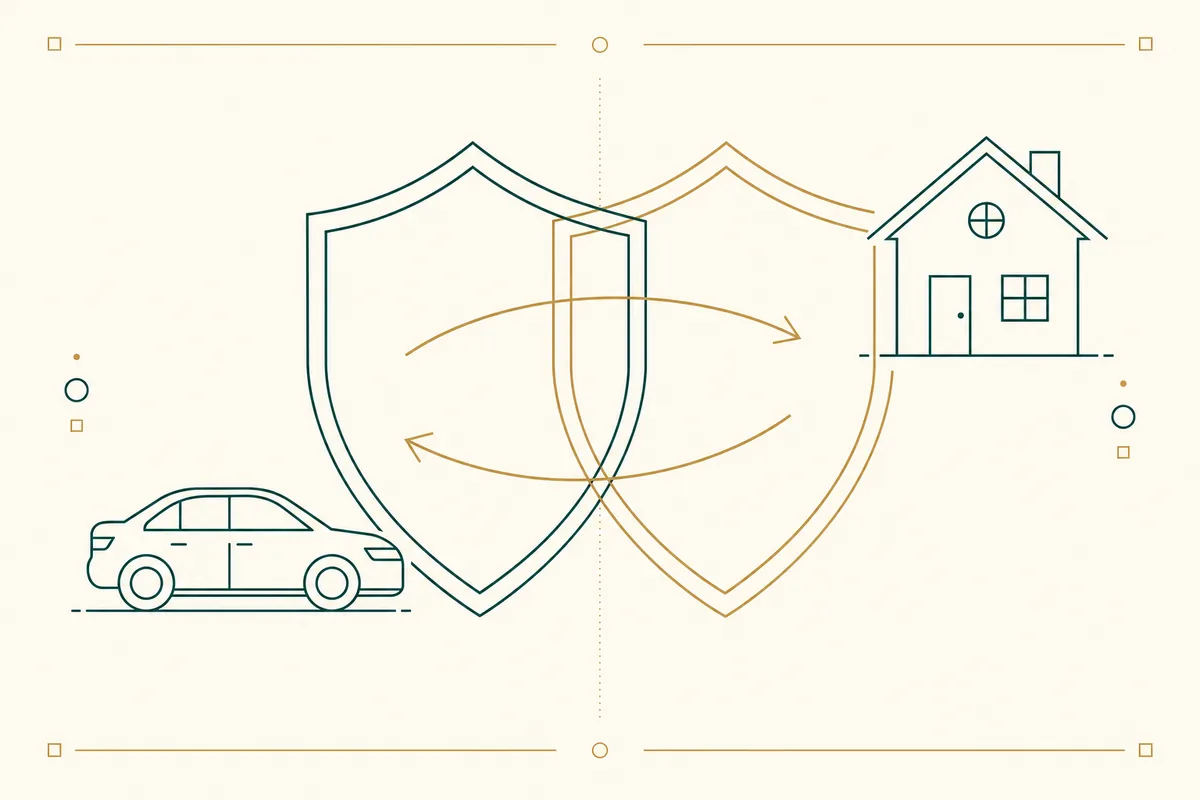
Michigan's no-fault system under MCL § 500.3101 et seq. creates a two-track timeline. Your PIP claim for medical expenses and wage loss begins immediately and is paid on a rolling basis by your own insurer. Your third-party claim for pain and suffering against the at-fault driver runs on a separate, longer timeline. The PIP track provides immediate financial relief while the third-party track builds toward maximum recovery. This dual-track system is unique to Michigan and requires an attorney who understands how to coordinate both.
The Three-Year Deadline
Michigan's statute of limitations under MCL § 600.5805 gives you three years from the date of injury to file a personal injury lawsuit. For medical malpractice, it is two years from the malpractice or six months from discovery, with a six-year outer limit. For claims against government entities, you must provide written notice within 120 days. Missing these deadlines permanently bars your claim. Call Koussan Law at (313) 800-0000 or use our case calculator to get a realistic timeline for your specific case.