Michigan Motorcycle Laws: What Every Rider Must Know
Michigan's motorcycle laws create a unique legal landscape for riders. From the helmet law opt-out to the no-fault insurance exclusion, the rules governing motorcycle accidents differ significantly from car accidents. Understanding these differences before an accident happens — and especially after one — is essential for protecting your rights.
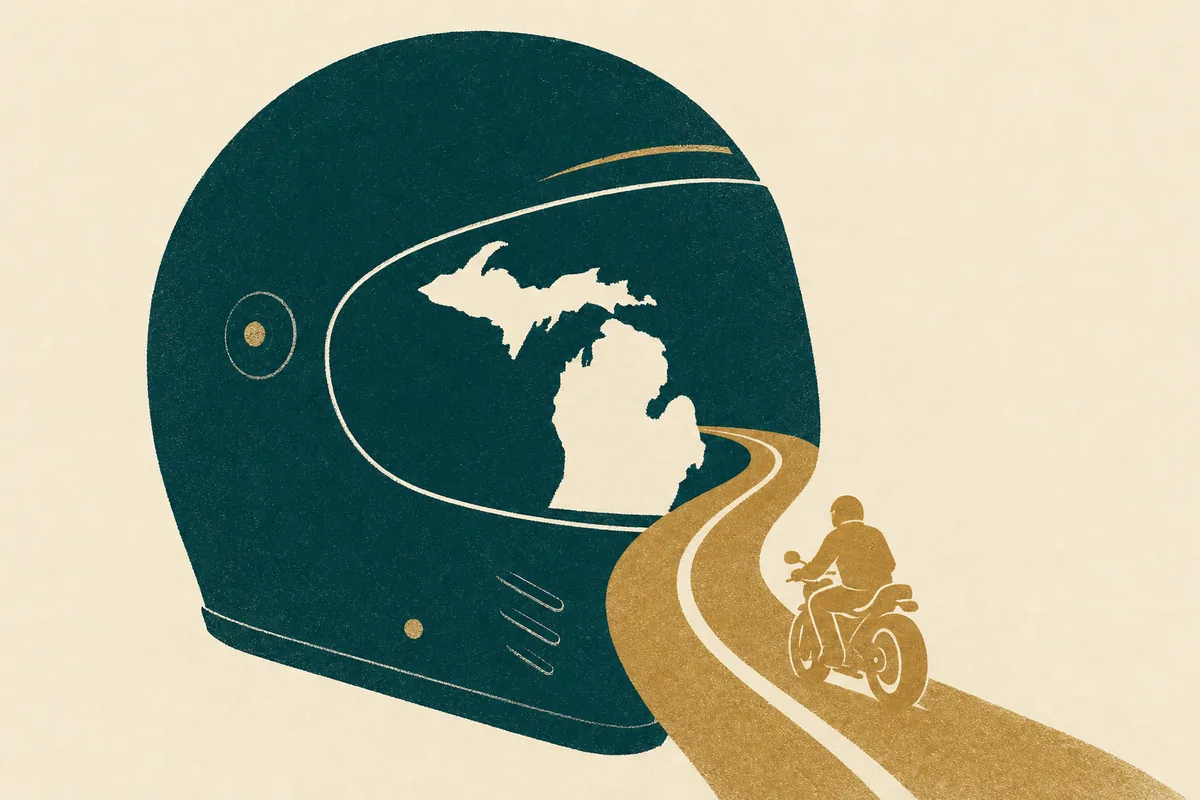
Michigan's Helmet Law: The Opt-Out
Michigan allows riders 21 and older to ride without a helmet if they carry at least $20,000 in additional first-party medical benefits on their motorcycle insurance and have passed a motorcycle safety course or held their endorsement for at least two years (MCL § 257.658). Riders under 21 must wear a helmet. While riding without a helmet is legal for qualifying adults, insurance companies routinely argue that helmetless riders contributed to their own head injuries — which can reduce damages under Michigan's comparative fault rule.
No-Fault Exclusion for Motorcycles
Motorcycles are excluded from Michigan's mandatory no-fault insurance system. This means motorcyclists don't automatically have PIP benefits through their motorcycle policy. Instead, PIP coverage depends on whether the rider has a separate auto policy, a household member's auto policy, or can access the at-fault driver's insurer's coverage. This coverage gap catches many riders off guard after an accident and can leave them responsible for enormous medical bills without proper planning.
Third-Party Claims and the Serious Injury Threshold
To sue the at-fault driver for pain and suffering, motorcycle accident victims must meet the same serious impairment threshold as car accident victims under MCL § 500.3135. Given the severity of typical motorcycle injuries — fractures, spinal injuries, scarring — most motorcycle accident claims meet this threshold.
Know your rights as a Michigan rider. Call Koussan Law at (313) 800-0000 or use our case calculator.