Article

Multi-Vehicle Pileups on Michigan Highways — Determining Liability in Chain-Reaction Accidents

March 20, 2026

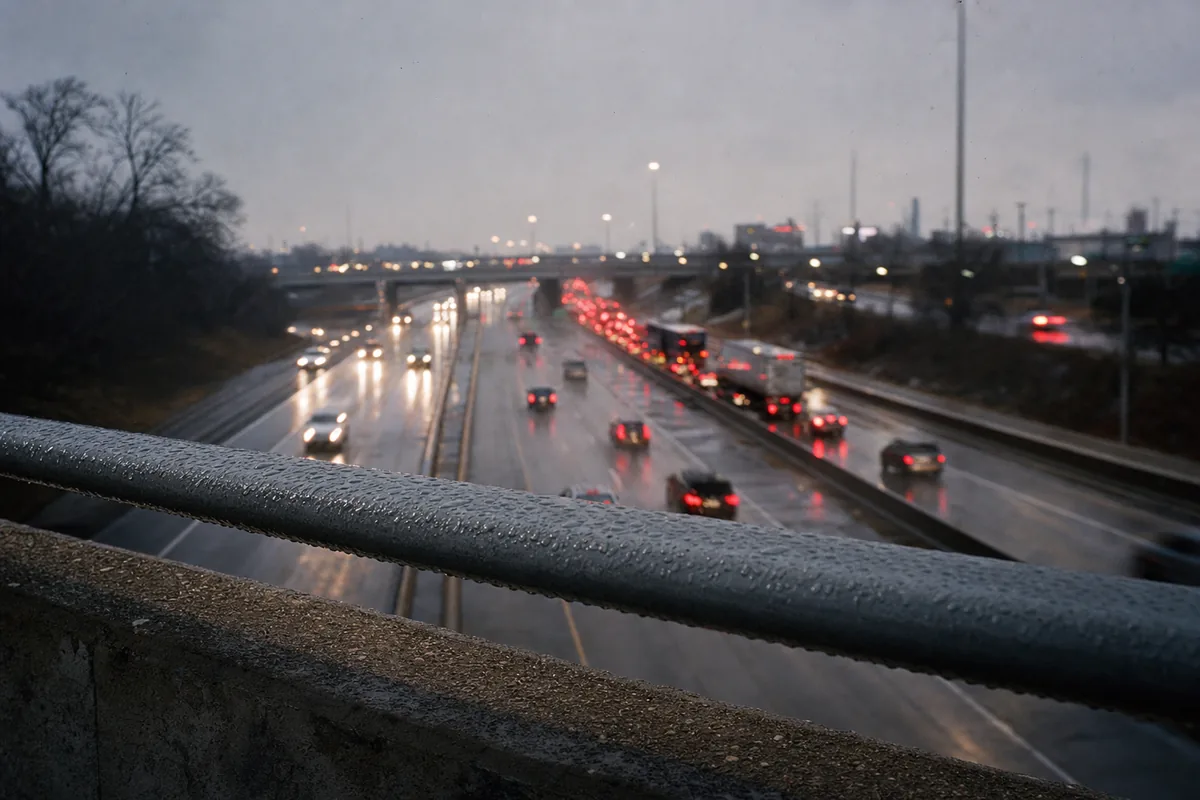
A vehicle suddenly brakes on I-94 near Detroit. The driver behind them doesn't react in time and collides. That collision causes a chain reaction. The vehicle hits a third car, which hits a fourth. Suddenly, five vehicles are involved in a pileup.

In the chaos and confusion, it's unclear who caused the accident. The initial driver who braked? The driver who failed to maintain a safe distance? Or is every driver at least partly at fault?

Multi-vehicle pileups present unique liability challenges. Unlike a simple two-vehicle collision, determining who is liable for a chain-reaction accident requires understanding how the accident unfolded, each driver's actions, and the legal concept of comparative fault.

The Problem of Chain-Reaction Accidents

In a multi-vehicle pileup, the initial collision is usually between two vehicles. But this initial collision causes a chain reaction that injures drivers in vehicles that had no direct contact with the initial wrongdoer.

Example

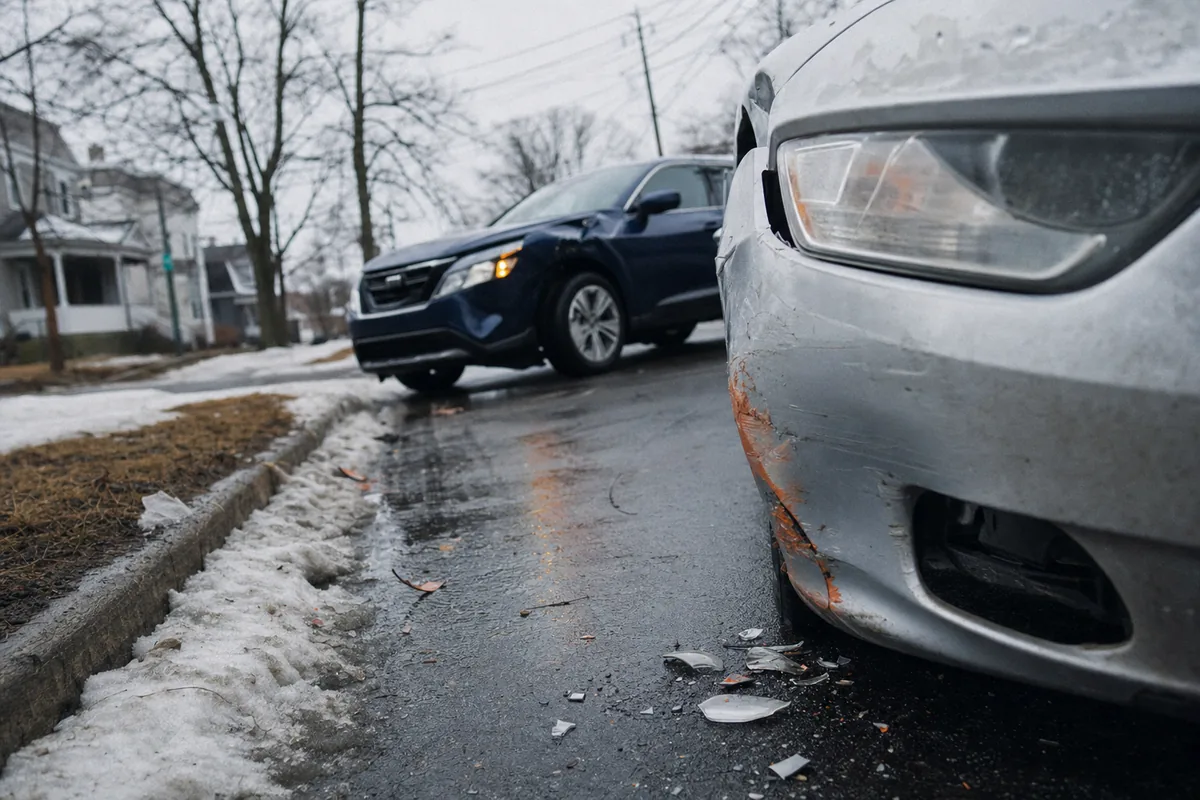
Vehicle A suddenly brakes without warning. Vehicle B (driven by you) can't stop and rear-ends Vehicle A. This collision pushes Vehicle B forward into Vehicle C. The impact injures you in Vehicle B and the occupants of Vehicle C.

Now the question becomes: Is the driver of Vehicle A liable to you, even though they didn't directly collide with your vehicle? What about the driver of Vehicle C, whose vehicle was hit by yours?

Causation and Foreseeability in Pileup Liability

Michigan courts analyze chain-reaction accidents using the concept of foreseeability. A defendant is liable for injuries caused by their negligence if the injury was foreseeable.

The Initial Wrongdoer

If a driver suddenly brakes without warning in heavy traffic, causing a multi-vehicle pileup, this driver's actions are likely negligent (assuming there was no legitimate reason for the sudden braking). The pileup was foreseeable — sudden braking in heavy traffic creates a reasonable likelihood of a chain-reaction accident.

Therefore, the initial wrongdoer is typically liable for injuries to all vehicles involved in the resulting pileup, even if those vehicles never directly collided with the initial wrongdoer's vehicle.

Intervening Drivers

But what about intervening drivers in the chain reaction? If the driver of Vehicle B (who rear-ended Vehicle A) was following too closely or not paying attention, are they also liable for injuries to Vehicle C?

Generally, yes. If the driver of Vehicle B had maintained a safe following distance or been paying attention, they could have avoided the collision with Vehicle A and prevented the chain reaction from continuing further.

In a pileup, multiple drivers may share liability under Michigan's comparative fault law.

Comparative Fault in Multi-Vehicle Accidents

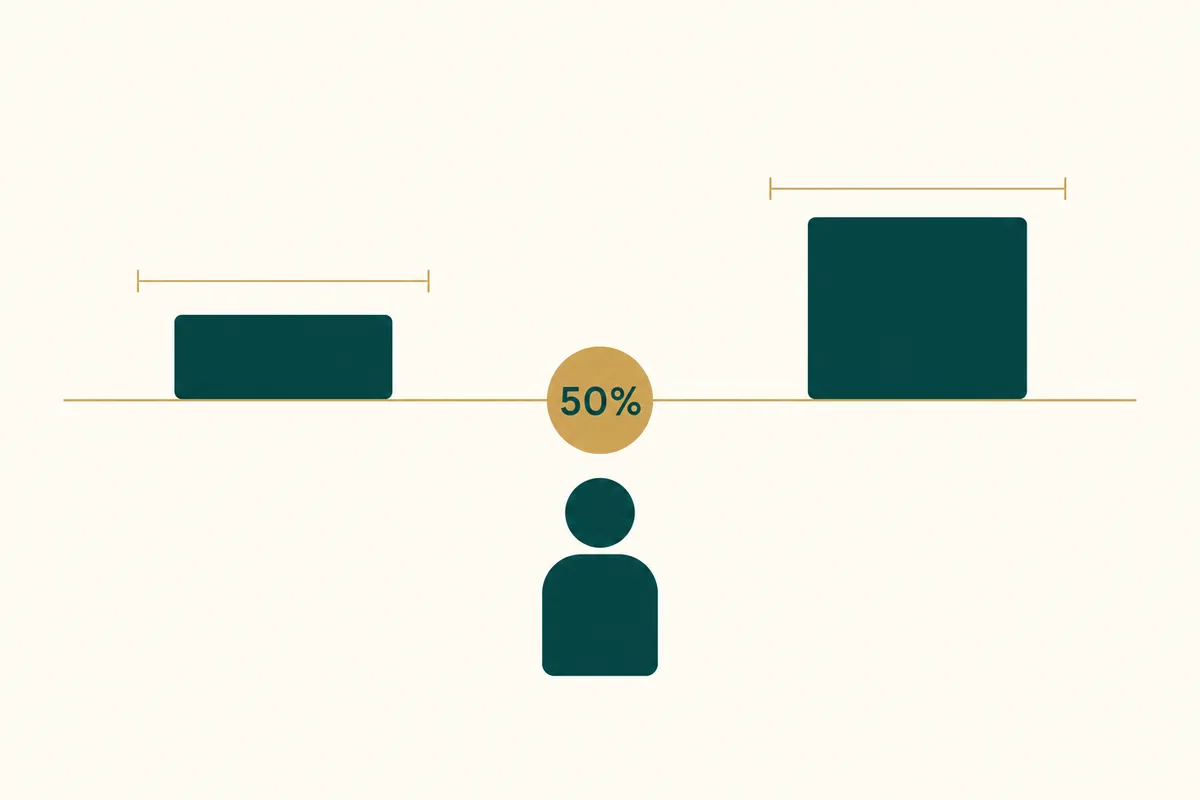
Michigan is a "comparative fault" state. A defendant is not completely excused from liability merely because the plaintiff was also negligent. Instead, the plaintiff's recovery is reduced by their percentage of fault.

Example

A pileup occurs. Vehicle A initially braked abruptly. You were in Vehicle B, following too closely. You rear-ended Vehicle A, and the impact pushed you into Vehicle C. You sue both drivers.

The jury might find:

- Vehicle A driver: 60% at fault (abrupt braking)

- You (Vehicle B driver): 30% at fault (following too closely)

- Vehicle C driver: 10% at fault (not maintaining adequate distance)

If total damages are $100,000, you can recover from Vehicle A and Vehicle C, but your recovery is reduced by your 30% fault. You would recover $70,000 ($100,000 - 30%).

Special Duty to Warn in Pileup Situations

In some cases, drivers in a pileup may have a duty to warn drivers behind them of the hazard created by the accident.

For example, if you're in a vehicle involved in a pileup, and you realize that traffic behind you is approaching at high speed and hasn't slowed, do you have a duty to warn them?

Generally, drivers do not have an affirmative duty to warn other drivers of hazards. However, if a driver creates a visible hazard on the roadway and has the opportunity to warn others (e.g., by activating hazard lights, exiting the vehicle to wave traffic down), failure to warn could constitute negligence.

This concept is more often applied to drivers whose vehicles have broken down or stalled on the roadway, creating a hazard to traffic.

Visibility and Road Conditions in Pileup Liability

Weather and visibility conditions significantly affect pileup liability.

Fog, Heavy Rain, or Snow

In conditions of poor visibility, all drivers have a heightened duty to reduce speed and maintain increased following distances. A driver who suddenly brakes in heavy fog, causing a pileup, is more likely to be found negligent because the hazard created is more severe in low-visibility conditions.

Similarly, drivers who fail to reduce speed and following distance in adverse conditions may bear greater liability for their role in the pileup.

Highway Design and Maintenance

If the highway itself is poorly designed (sharp curves without adequate warning signs) or poorly maintained (potholes, debris), the highway's owner (typically a city or county) may share liability for a pileup that results from the hazardous condition.

Determining Liability in Your Pileup Case

If you're injured in a multi-vehicle pileup, liability is determined through:

Police Investigation

Law enforcement typically investigates the accident and determines which driver(s) violated traffic laws. Their findings are important but not determinative.

Eyewitness Testimony

Witnesses to the accident can describe what they saw: how fast vehicles were traveling, how close they were following, whether sudden braking occurred, visibility conditions, etc.

Accident Reconstruction Expert

In complex pileups, an accident reconstruction expert may analyze vehicle damage, skid marks, final resting positions, and speed calculations to determine the sequence of events and each driver's actions.

Vehicle Telematics and Data

Many modern vehicles record data (speed, acceleration, braking) in "black boxes." This data can prove whether a driver was speeding, braking suddenly, or following too closely.

Damages in Multi-Vehicle Pileup Cases

Injuries in pileups are often severe, and damages can be substantial:

Medical Expenses

Emergency care, hospitalization, surgery, rehabilitation, and ongoing medical treatment.

Lost Wages

Wages lost due to injury and recovery. If the injury permanently impairs your earning capacity, you can recover damages for lost future earnings.

Pain and Suffering

Physical pain, emotional distress, and trauma related to the accident.

Permanent Disability or Disfigurement

If the accident causes permanent disability, scarring, or disfigurement, substantial additional damages are available.

Challenges in Multi-Vehicle Cases

Identifying All Responsible Parties

In a large pileup, there may be many vehicles and drivers involved. Identifying which drivers share liability requires investigation.

Comparative Fault Complexity

A jury must assign a percentage of fault to multiple defendants and potentially to you. This process is complex and may result in lower awards if you're assigned significant fault.

Insurance Coverage Issues

Multiple insurance companies may be involved, each defending their insured driver and trying to minimize liability and payment.

Why You Need an Attorney

Multi-vehicle pileups require sophisticated analysis of causation, foreseeability, and comparative fault. Insurance companies will try to minimize their liability by shifting blame to other drivers or to you. An experienced attorney can:

- Reconstruct the accident sequence

- Identify all responsible parties

- Gather evidence of each driver's negligence

- Negotiate with multiple insurance companies

- Pursue comparative fault arguments to maximize your recovery

If you've been injured in a multi-vehicle pileup on a Michigan highway, contact our firm for a free consultation. We'll investigate the accident, identify all responsible parties, and pursue full compensation for your injuries.

Insights from the Koussan Law Team

Explore practical tips and expert insights on personal injury law from the Koussan Law team.

Injured as a Rideshare Passenger in Michigan? Your Options for Compensation

Injured as a Rideshare Passenger in Michigan? Your Options for Compensation

March 20, 2026

School Bus Accident Injuries in Michigan: Protecting Your Child and Asserting Your Rights

School Bus Accident Injuries in Michigan: Protecting Your Child and Asserting Your Rights

March 20, 2026

Michigan Medical Malpractice — The Notice Requirement That Limits Your Claim

Michigan Medical Malpractice — The Notice Requirement That Limits Your Claim

March 20, 2026

With Koussan Law, you’re never alone in your fight for justice.

Get in touch today to learn how we can help you.

Get The Koussan Law Advantage Today

We believe legal representation should be attainable for anyone. This means you don’t pay until we win.

If you or a loved one has been injured
call us at
(313)800-0000 to contact us today!

By submitting this form, you agree to our Privacy Policy. Your information will be handled securely and confidentially in accordance with this policy.

Thank you! Your submission has been received!
Oops! Something went wrong while submitting the form.