What Happens If You Are Partially at Fault for an Accident in Michigan?
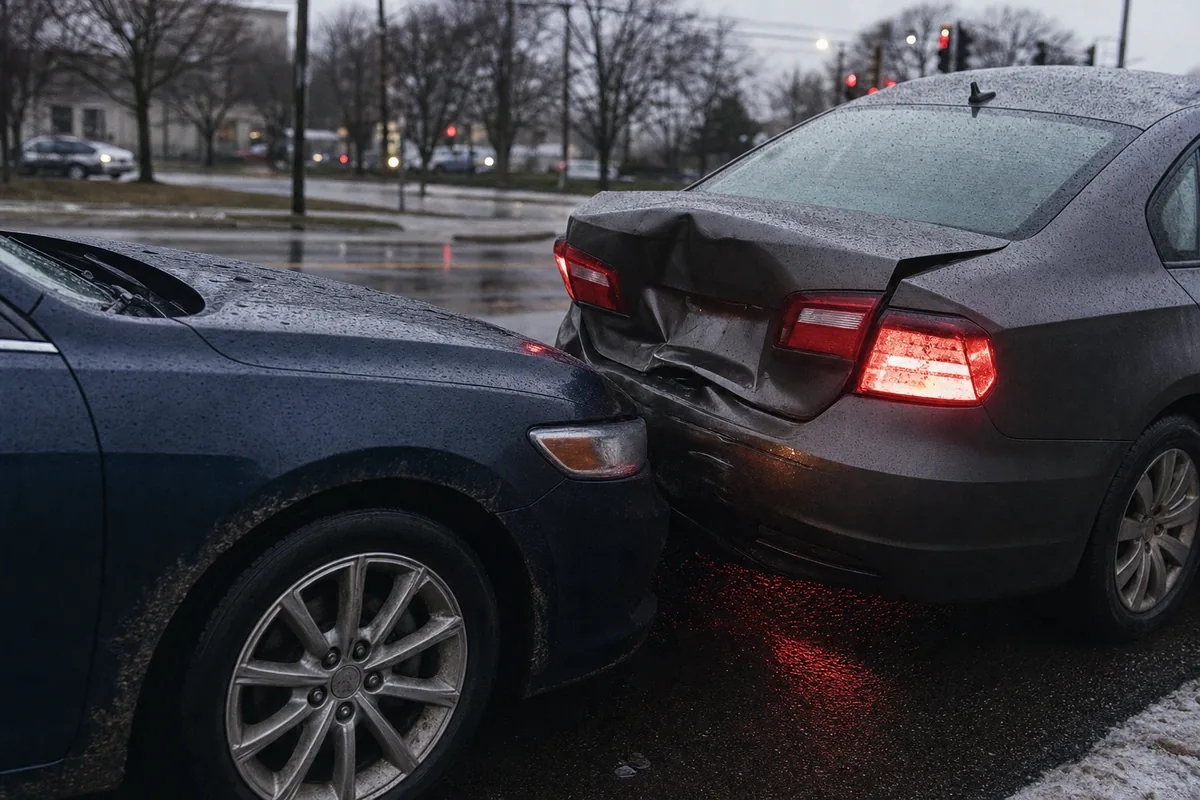
You're stopped at a red light when another driver hits you from behind—but you later learn that you had failed to maintain proper brake pads, which technically contributed to the severity of the accident. Does this mean you can't recover damages? In Michigan, the answer is more nuanced than you might think.
Many accident victims worry that any degree of fault will disqualify them from compensation. This fear often prevents injured people from filing legitimate claims. At Koussan Law, we want you to understand Michigan's comparative negligence rules so you know your rights.
Understanding Michigan's Comparative Negligence Rule
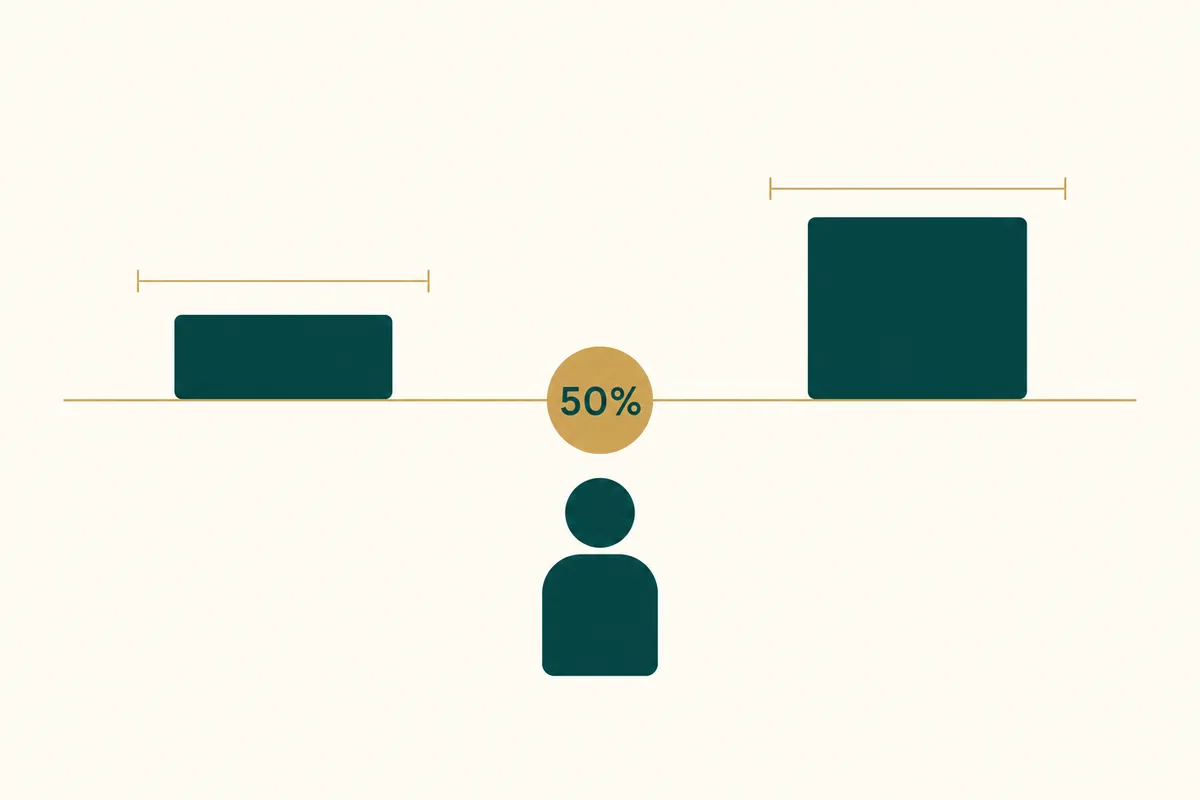
Michigan follows a modified comparative negligence standard, also called the "50% Bar Rule." This is codified in MCL 600.2959, which states:
"In all actions brought to recover damages for negligence resulting in death or injury to person or property, the fact that the plaintiff may have been guilty of contributory negligence shall not bar a recovery by the plaintiff."
What does this mean in practical terms? You can still recover compensation for your injuries even if you were partially responsible for the accident—as long as your negligence is less than or equal to 50%.
How Damages Are Reduced
Under Michigan's comparative negligence law, if you are found to be 30% at fault for an accident, your total damages award will be reduced by 30%. For example:
- Total damages calculated: $100,000
- Your percentage of fault: 30%
- Your recovery: $100,000 - $30,000 = $70,000
This reduction is applied regardless of whether your case settles or goes to trial.
The 50% Threshold: What You Can and Can't Recover
However, if you are found to be more than 50% at fault for the accident, Michigan law bars you from recovering noneconomic damages, meaning pain and suffering. This is where the modified comparative negligence standard draws the line. Crossing it does not wipe out your case: your economic damages, medical bills and lost wages, remain recoverable, reduced by your percentage of fault. And at exactly 50% you are not over the line at all, so pain and suffering stays on the table, with your award reduced by half.
This threshold is crucial and often hotly disputed in personal injury litigation.
Common Scenarios: Partial Fault Examples
Scenario 1: Rear-End Collision with Defective Brakes
You're hit from behind, but you hadn't had your brakes serviced in three years. A court might find the other driver 85% at fault for the collision itself, but assign you 15% fault for negligent maintenance. You'd recover 85% of your damages.
Scenario 2: Pedestrian Struck While Jaywalking
A driver hits you while you're crossing against the signal, but the driver was speeding and on their phone. A jury might assign fault 60% to the driver and 40% to you. Since you're under 50%, you recover 60% of your damages.
Scenario 3: Right-of-Way Dispute at an Intersection
Both vehicles have a green light due to a traffic signal malfunction. Both drivers contribute to the collision. If a jury determines both parties are equally at fault (50/50), Michigan law allows you to recover 50% of your damages.
Burden of Proof: Who Must Prove Fault?
It's important to understand that the at-fault party's insurance company bears the burden of proving you were partially negligent. They must present evidence and convince a jury of your comparative fault. You don't have to prove your innocence.
This is where experienced legal representation matters enormously. At Koussan Law, we aggressively challenge allegations of comparative negligence and work to minimize any fault assigned to our clients.
Michigan No-Fault System Complications
Michigan's no-fault auto insurance system under MCL 500.3101 adds another layer. Your own PIP (Personal Injury Protection) benefits pay for medical treatment regardless of fault. However, if you want to sue for pain and suffering, you must meet the "serious impairment of body function" threshold. And any comparative negligence findings will still reduce your settlement or judgment.
Defending Against Comparative Negligence Claims
Here's what we do at Koussan Law to protect your recovery:
- Gather evidence showing you acted reasonably under the circumstances
- Obtain expert testimony about accident causation and vehicle dynamics
- Cross-examine the opposing party's witnesses about their own negligent conduct
- Present medical evidence showing the other driver's actions caused your injuries
- Challenge any allegation that your conduct materially contributed to the accident
Should You Still Pursue a Claim?
Absolutely. Even if you believe you might be partially at fault, you could still recover substantial compensation. The key is having an attorney who understands Michigan's comparative negligence law and can effectively argue on your behalf.
Contact Koussan Law for a free consultation to discuss your specific accident. We'll evaluate your claim, explain your rights under Michigan law, and work to maximize your recovery. Use our case calculator to get an estimate of potential damages.
Don't let fear of partial fault prevent you from seeking justice. Call (313) 800-0000 today.
Related Practice Areas
Think you may have a case? Use our free Case Calculator to estimate your claim value, or call (313) 800-0000 for a free consultation.