The Presumption of Fault Falls on the Following Driver
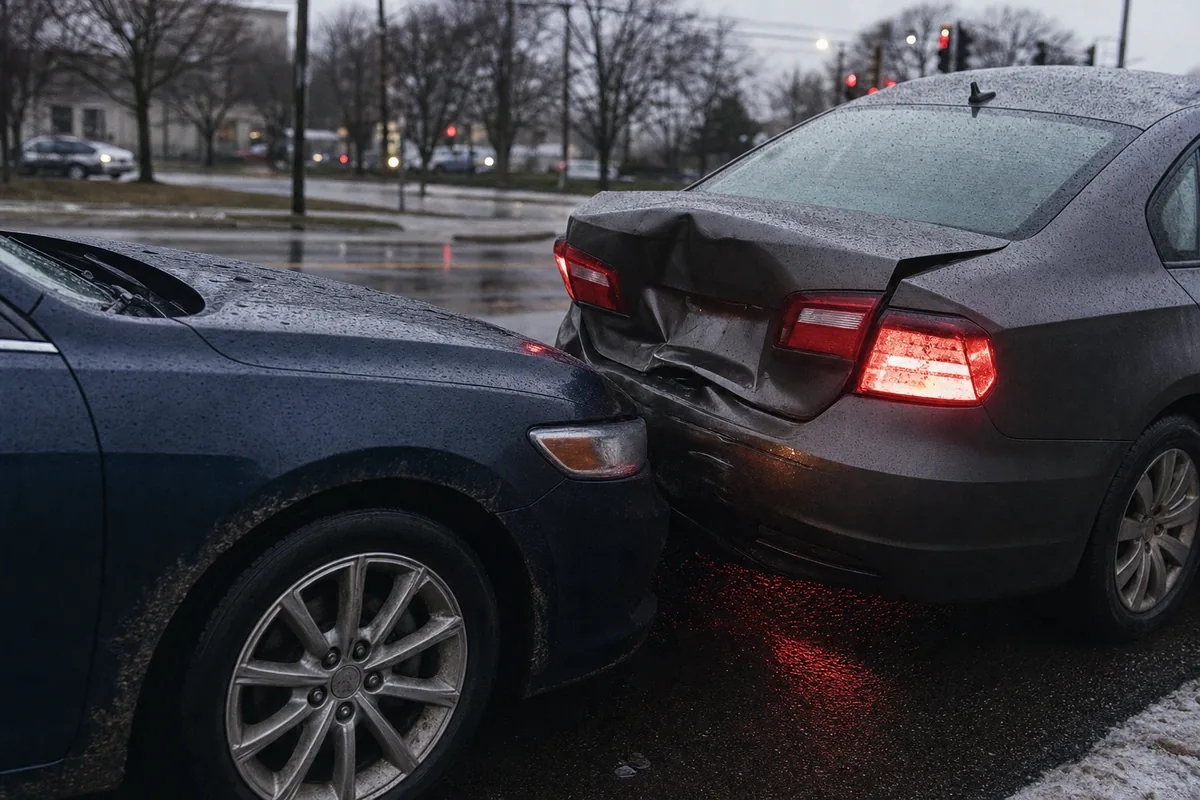
There is a reason rear-end collisions are the most common type of car accident in Michigan and the most straightforward from a liability standpoint. Michigan law and common sense both start from the same premise: every driver has a duty to maintain a safe following distance that allows them to stop in time if the vehicle ahead brakes. Under MCL § 257.627, a driver must not follow another vehicle more closely than is reasonable and prudent given the speed, traffic, and condition of the highway. When someone rear-ends you, they have almost certainly violated this duty.
Why "Almost" Always and Not "Always"
The reason I say almost always instead of always is that there are limited defenses the rear driver can raise. They might argue that you cut in front of them suddenly without leaving adequate space. They might argue that your brake lights were not working, depriving them of notice that you were stopping. They might argue that you reversed into them (rare, but it happens in parking lots). Or they might argue that a third vehicle pushed them into you in a chain-reaction collision. These defenses succeed occasionally, but they are the exception. In the vast majority of rear-end cases, the following driver is at fault.
The Whiplash Problem
Rear-end collisions produce whiplash injuries at an extraordinary rate because of how the human neck responds to rear impact. Your body is pushed forward by the seat while your head snaps backward, then forward. This hyperextension-flexion motion damages cervical ligaments, discs, and muscles. The cruel irony is that insurance companies have spent decades trivializing whiplash as a minor, exaggerated injury — while the medical evidence consistently shows that cervical spine injuries from rear impacts can cause chronic pain, disc herniation requiring surgery, headaches, and reduced range of motion that persists for years.
Low-Speed Impacts Can Cause Serious Injuries
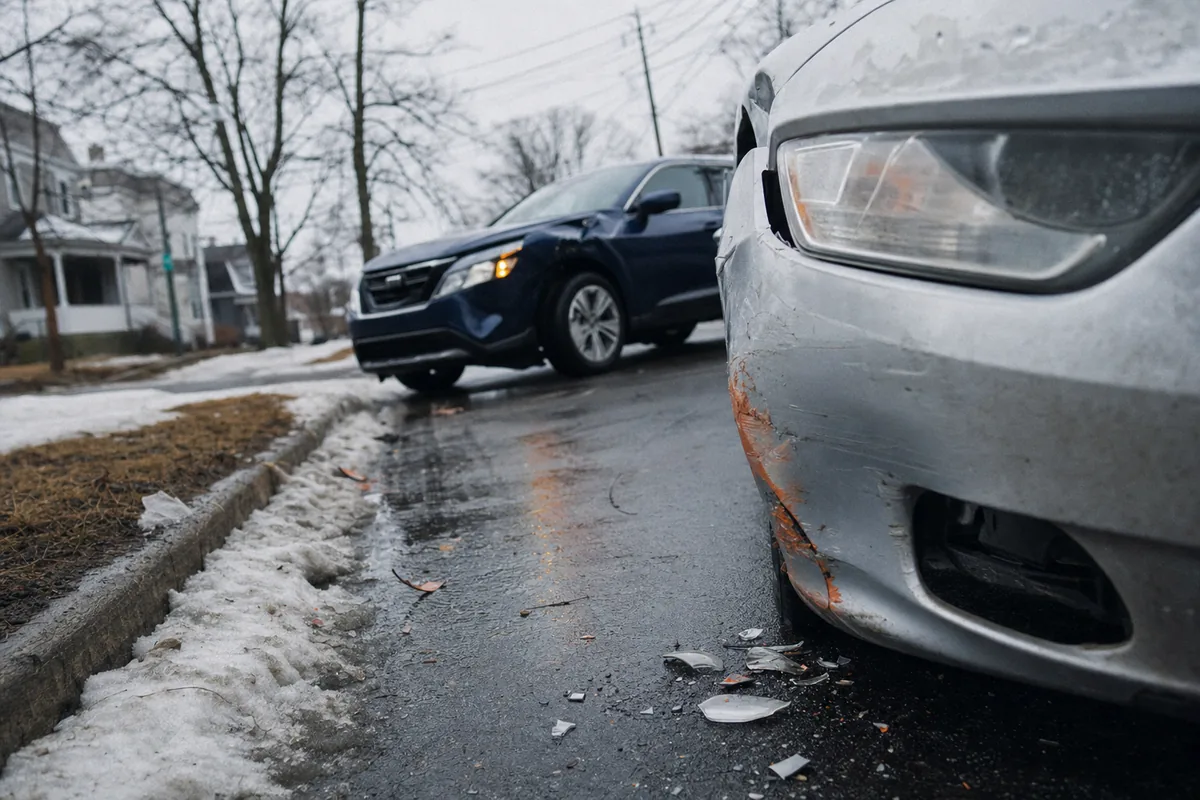
Another insurance company favorite: arguing that a low-speed rear-end collision could not have caused significant injuries. Research does not support this. Studies from the Insurance Institute for Highway Safety and biomechanics experts have demonstrated that cervical spine injuries can occur at impact speeds as low as 5 to 10 mph. The vehicle may show minimal damage while the occupant's spine absorbs force that the car's bumper was designed to withstand. Koussan Law works with biomechanical engineers and medical experts to counter the "low impact" defense in every case where the insurance company tries to use it.
Michigan No-Fault and Rear-End Crashes
Under Michigan's no-fault system, your PIP benefits cover medical expenses and wage loss regardless of who caused the rear-end collision. Your third-party claim against the at-fault driver covers pain and suffering — but only if your injuries meet the serious impairment of body function threshold under MCL § 500.3135. Cervical herniations requiring surgery, chronic pain with documented functional limitations, and any injury requiring extended treatment typically meet this standard.
If you were rear-ended in Michigan, call Koussan Law at (313) 800-0000. These cases look simple on paper, but maximizing your recovery requires an attorney who knows how to fight the defenses insurance companies use to devalue them.
Related Practice Areas
Think you may have a case? Use our free Case Calculator to estimate your claim value, or call (313) 800-0000 for a free consultation.