You Have More Leverage Than You Think
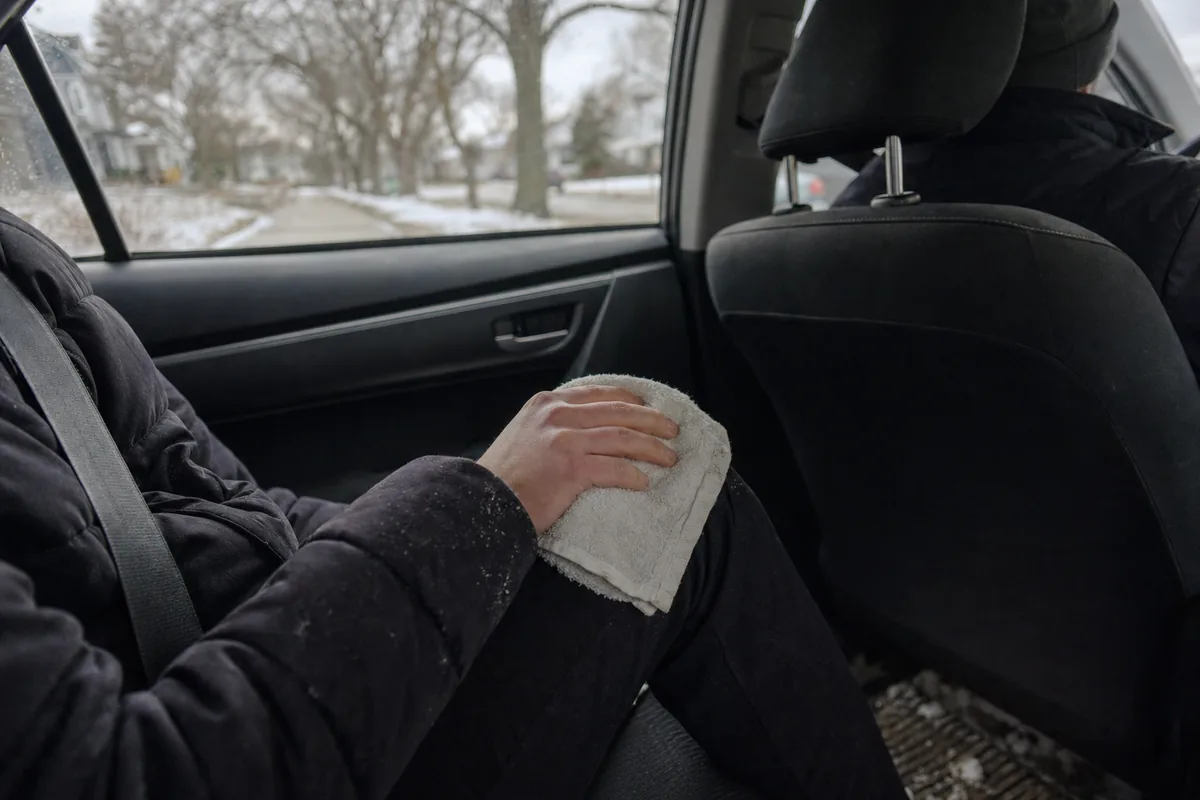
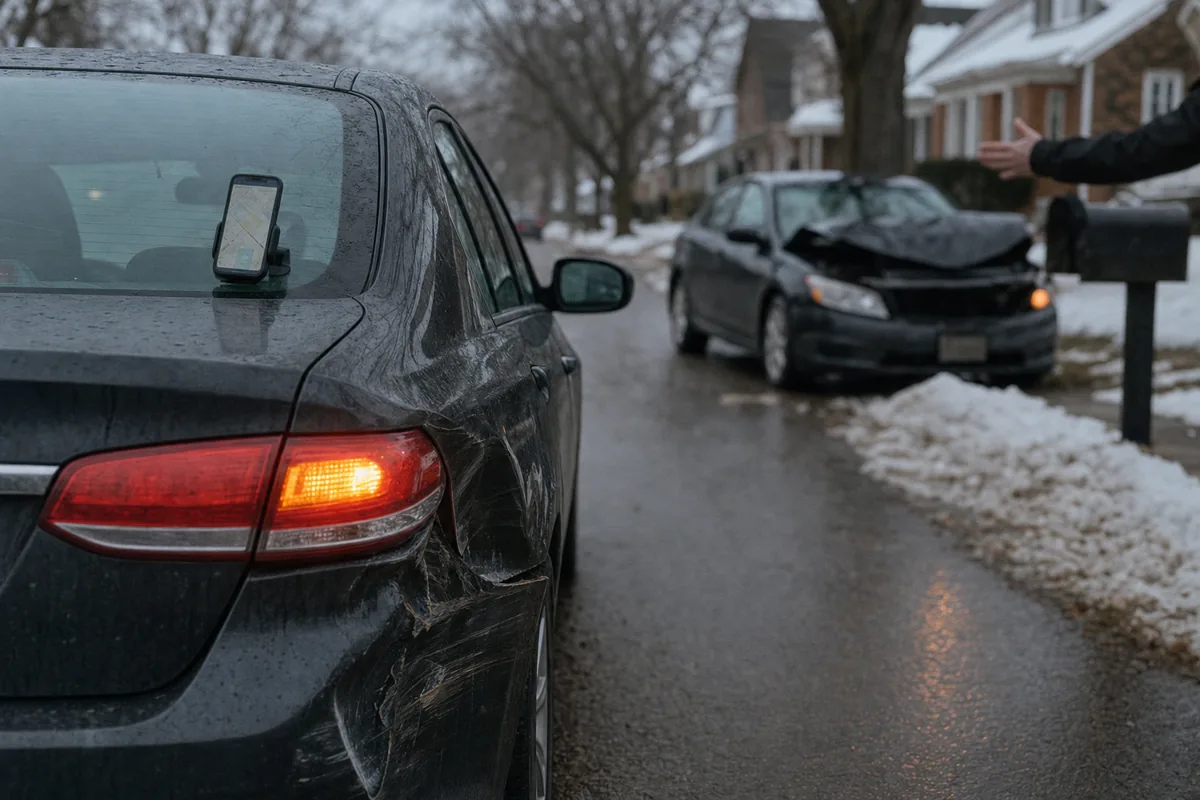
If you were a passenger in an Uber or Lyft when the accident happened, your legal position is actually stronger than most people realize. As a passenger, you were not driving. You did not cause the crash. You have zero fault. This means you can pursue claims against every responsible party — the rideshare driver, the other driver, the rideshare company's insurance, and potentially other parties depending on what caused the crash. The question is not whether you have a claim. It is how much you can recover and from whom.
The $1 Million Policy Nobody Tells You About
When you are a passenger during an active Uber or Lyft trip (from the moment the driver accepts your ride request through the end of your trip), you are covered by the rideshare company's $1 million commercial liability policy. This is not the driver's personal insurance. This is a commercial policy carried by Uber Technologies or Lyft Inc. It also includes $1 million in uninsured/underinsured motorist coverage. Most Michigan accident claims involve policy limits of $250,000 or less. The rideshare million-dollar policy represents significantly more available compensation.
Why Uber and Lyft Make It Difficult Anyway
Despite the million-dollar policy, Uber and Lyft do not make it easy to collect. Their in-app claims process is designed to direct you toward their insurance adjusters, who are trained to settle quickly and cheaply. They will offer to cover your medical bills and maybe a few thousand dollars on top — a fraction of what your claim may actually be worth. They count on the fact that most passengers do not understand the insurance structure and do not have an attorney reviewing the offer.
The rideshare companies also create confusion about which insurer handles your claim. Was the driver on an active trip or just waiting for a ping? Was the accident caused by the Uber driver or the other vehicle? Different scenarios trigger different policies, and the companies use this complexity to delay and frustrate claimants into accepting lowball settlements.
Michigan No-Fault Benefits as a Passenger
As a rideshare passenger, your PIP benefits under Michigan's no-fault system follow the standard priority order under MCL § 500.3114. If you have your own auto insurance, your PIP benefits come from your own policy. If you do not own a car, benefits may come from a resident relative's policy, the rideshare driver's policy, or the Michigan Assigned Claims Plan. These benefits cover medical expenses and wage loss regardless of fault — they are separate from your third-party pain and suffering claim.
Do Not Use the In-App Claims Process
The number one mistake rideshare passengers make is filing their claim through the app and accepting whatever the adjuster offers. The app is not designed to get you fair compensation. It is designed to resolve your claim quickly and cheaply. Before you engage with any insurance company — Uber's, Lyft's, or any other carrier — call an attorney who understands the rideshare insurance structure.
If you were injured as a rideshare passenger in Michigan, call Koussan Law at (313) 800-0000. We know exactly how to navigate these claims and we have handled cases against both Uber and Lyft.
Related Practice Areas
Think you may have a case? Use our free Case Calculator to estimate your claim value, or call (313) 800-0000 for a free consultation.