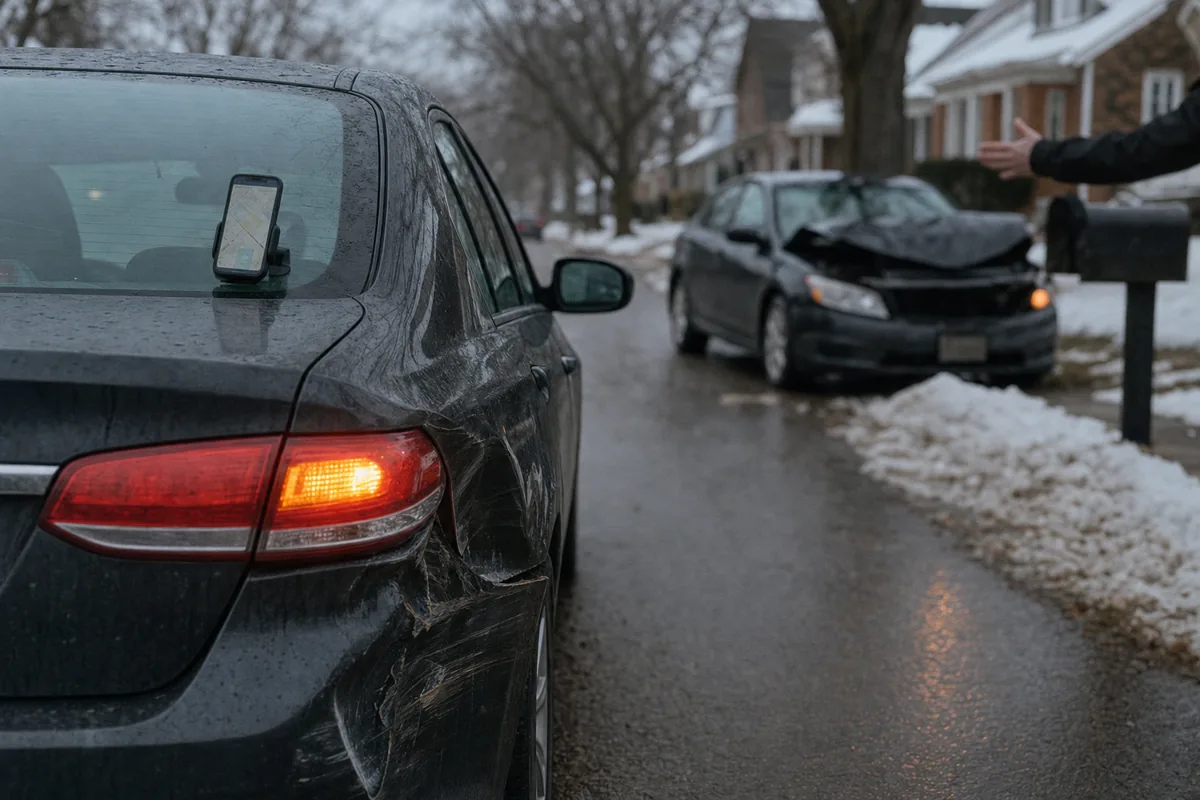
You order an Uber or Lyft for a ride across Detroit. The driver arrives, and you get in. A few minutes later, the driver swerves around another vehicle, loses control, and crashes. You're thrown about inside the car, hitting your head and breaking your arm.
Now you're wondering: Who is liable for your injuries? The driver? The rideshare company? The other vehicle that caused the crash? And how do you recover compensation?
Rideshare passenger injuries in Michigan raise unique legal questions. Uber and Lyft are relatively new industries, and the law surrounding rideshare liability is still evolving. Your rights as a passenger depend on understanding the rideshare company's liability, the driver's status, and your insurance options.
The Rideshare Driver's Legal Status
One of the most important factors in rideshare passenger injury claims is the legal status of the driver. Are rideshare drivers employees or independent contractors?
Independent Contractor Status
Both Uber and Lyft classify their drivers as independent contractors, not employees. This classification has major implications for liability.
Under Michigan law, companies are generally not liable for the negligence of independent contractors. If a rideshare driver is an independent contractor, Uber and Lyft argue they are not liable for the driver's negligent operation of the vehicle.
The "But For" Rule
However, Michigan recognizes exceptions to this rule. A company can be liable for an independent contractor's conduct if the company retains control over how the work is performed or if the activity involves a special risk of harm to the public.
Because Uber and Lyft retain significant control over driver conduct through rating systems, customer complaints, and the threat of deactivation, there are arguments that the independent contractor classification should not shield them from liability.
Rideshare Company Liability: Negligent Hiring and Screening
One of the most promising avenues for holding rideshare companies liable is negligent hiring and screening.
Background Check Requirements
Uber and Lyft conduct background checks on drivers, but the thoroughness of these checks has been questioned. If a rideshare company hired a driver with a known history of traffic violations, DUIs, or accidents, without adequate investigation, the company may be liable for negligently hiring the driver.
Ongoing Safety Monitoring
Rideshare companies receive customer ratings and complaints about driver conduct. If a driver received numerous complaints about unsafe driving and the company failed to investigate or deactivate the driver, this may constitute negligent supervision.
Vehicle Maintenance
Uber and Lyft don't own the vehicles; drivers do. But the rideshare companies could be liable if they fail to verify that vehicles meet safety standards. If a vehicle had known mechanical defects and the company allowed the driver to continue operating it, this could be negligence.
The Driver's Liability
The driver who caused the accident is always liable for their own negligence. If the driver was texting, speeding, not paying attention, or violating traffic laws, the driver is liable for injuries to passengers.
Drivers as Agents of the Rideshare Company
Under the legal doctrine of apparent agency, a passenger might reasonably believe the driver is an agent or employee of Uber or Lyft, not an independent contractor. The rideshare company's branding on the vehicle and app creates this reasonable belief.
Some courts have found that rideshare companies can be liable for driver negligence under apparent agency theory, even though the driver is technically an independent contractor.
Liability When the Accident Involves Another Vehicle
If your rideshare vehicle is struck by another vehicle, liability becomes more straightforward:
The Other Driver's Liability
The driver of the other vehicle is liable for your injuries under ordinary negligence law. Your rideshare driver didn't cause the accident, so the other driver is solely liable.
Suing the Other Driver
You can sue the other driver directly for your injuries. However, you should also notify your own auto insurance and the rideshare company's insurance about the accident.
Comparative Fault
In Michigan, if your rideshare driver was partly at fault (e.g., by failing to maintain a safe speed or not seeing the other vehicle), comparative fault rules apply. Your recovery would be reduced by your rideshare driver's percentage of fault.
Insurance Coverage for Rideshare Passengers
Understanding insurance coverage is critical in rideshare passenger injury cases.
The Rideshare Company's Insurance
Both Uber and Lyft carry commercial auto insurance that covers accidents when drivers are actively transporting passengers. This insurance typically provides coverage up to certain limits.
In Michigan, Uber and Lyft are required to maintain at least the following coverage when a passenger is in the vehicle:
- At least $1,000,000 in bodily injury liability per occurrence
- At least $1,000,000 in uninsured/underinsured motorist coverage
This insurance is in addition to the driver's personal auto insurance.
The Driver's Personal Insurance
The rideshare driver also has their own auto insurance. However, many personal auto insurance policies exclude coverage for commercial rideshare activity. The policy might not cover accidents that occur while the driver is using the vehicle for Uber or Lyft.
Your Own Auto Insurance
If you own a vehicle, your personal auto insurance may provide coverage for injuries you sustain as a passenger in someone else's vehicle. However, this depends on your policy. Some policies include uninsured/underinsured motorist coverage that applies to rideshare accidents.
Steps to Take After a Rideshare Accident
Ensure Your Safety
First, ensure you and other passengers are safe. If you're injured, call 911 for medical assistance.
Get the Driver's Information
Get the rideshare driver's name, phone number, and any information available in the rideshare app.
Report to Law Enforcement
Call the police to report the accident. A police report is important for your insurance claim and any lawsuit.
Document the Scene
Take photos of the vehicle, the accident scene, the other vehicles involved (if any), and any visible injuries.
Get Witness Information
If there were other passengers or witnesses, get their names and contact information.
Seek Medical Attention
Even if you don't feel seriously injured, get checked by a medical professional. Some injuries don't manifest immediately. Preserve all medical records.
Report to the Rideshare Company
Report the accident through the rideshare app and in writing to the company. Document all communications.
Contact an Attorney
Do not wait. Contact a personal injury attorney experienced in rideshare cases immediately. An attorney can advise you on your rights, investigate the accident, and pursue your claim.
Challenges in Rideshare Passenger Cases
The Independent Contractor Defense
Rideshare companies will argue that drivers are independent contractors, and therefore the company is not liable for driver negligence. Overcoming this defense requires sophisticated legal arguments.
Insurance Coverage Disputes
The rideshare company's insurance carrier may dispute coverage or deny your claim. You may need to pursue the driver's personal insurance or your own insurance. Navigating multiple insurance sources is complex.
Comparative Fault
If your rideshare driver was partly at fault for the accident, Michigan's comparative fault law reduces your recovery proportionally.
Damages Limitations
Insurance policy limits may cap your recovery. If damages exceed the policy limits, you may need to pursue additional claims.
Damages in Rideshare Passenger Injury Cases
If you're injured as a rideshare passenger, you can recover damages for:
Medical Expenses
Emergency care, hospitalization, surgery, rehabilitation, therapy, and ongoing medical treatment.
Lost Wages
Wages lost due to your injury and recovery.
Pain and Suffering
Physical pain and emotional distress related to the accident.
Permanent Disability or Disfigurement
If your injuries cause permanent disability, scarring, or disfigurement, substantial additional damages are available.
Why You Need an Attorney
Rideshare passenger injury claims involve complex liability questions, multiple insurance sources, and rideshare companies' sophisticated defenses. An experienced attorney can:
- Investigate the accident and determine who is liable
- Navigate the independent contractor defense
- Identify all applicable insurance coverage
- Negotiate with the rideshare company and insurance carriers
- Pursue your claim aggressively to maximize compensation
If you've been injured as a rideshare passenger in Michigan, contact our firm for a free consultation. We'll investigate your accident, identify all responsible parties, and pursue full compensation for your injuries.