Michigan Vehicle Code, section by section › MCL 257.622
Report of accidents resulting in death, personal injury, or property damage; forms; analysis; use; retention.
In plain terms
A driver in a crash that injures or kills anyone, or causes $1,000 or more in apparent property damage, must report it immediately to the nearest police station or officer. The officer files the crash report with the State Police, which analyzes it and publishes the data; local agencies keep a copy for at least three years.
How this section works in practice
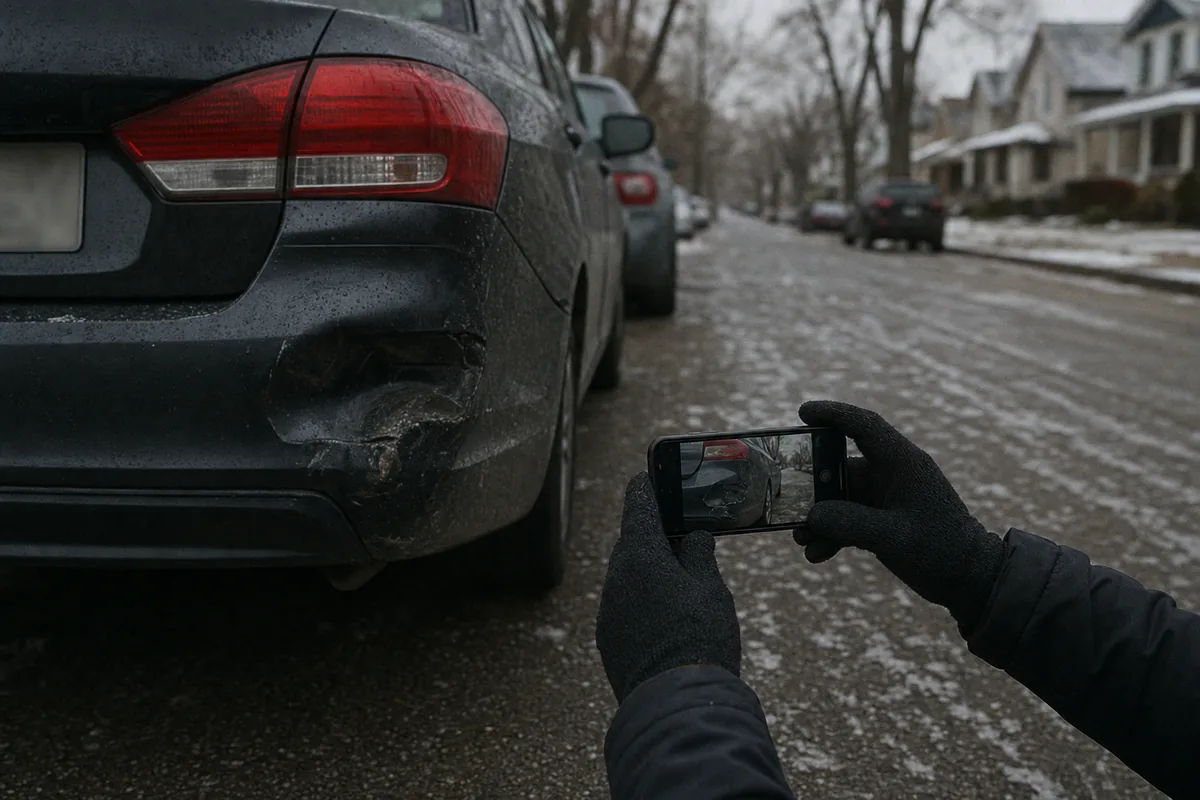
The crash report this section requires becomes the single most used document in a Michigan injury claim: the UD-10, which records the drivers, owners, insurers, witnesses, the officer's diagram and often a citation. Every no-fault insurer asks for it, the police report number is the first thing an adjuster wants, and the Michigan State Police compile the reports into the crash statistics that Koussan Law's own county crash-data report is built on. The $1,000 threshold means that almost any crash with a modern vehicle must be reported, and an injury of any kind removes the threshold entirely. Two practical points. A report filed later at a police station still satisfies the section, but a claim that begins with no report at all invites the insurer to argue the injury did not happen the way you say. And the report is not the last word on fault: the officer's opinion is not admissible as such, and an injured person who is blamed on the UD-10 can still prove the other driver's negligence with the physical evidence, the witnesses and the rules in sections 402 and 649.
Text of MCL 257.622
Sec. 622.
The driver of a motor vehicle involved in an accident that injures or kills any person, or that damages property to an apparent extent totaling $1,000.00 or more, shall immediately report that accident at the nearest or most convenient police station, or to the nearest or most convenient police officer. The officer receiving the report, or his or her commanding officer, shall immediately forward each report to the director of the department of state police on forms prescribed by the director of the department of state police. The forms shall be completed in full by the investigating officer. The director of the department of state police shall analyze each report relative to the cause of the reported accident and shall prepare information compiled from reports filed under this section for public use. A copy of the report under this section and copies of reports required under section 621 shall be retained for at least 3 years at the local police department, sheriff's department, or local state police post making the report.
History: 1949, Act 300, Eff. Sept. 23, 1949 ;-- Am. 1966, Act 171, Eff. Mar. 10, 1967 ;-- Am. 1967, Act 3, Imd. Eff. Mar. 9, 1967 ;-- Am. 1991, Act 168, Imd. Eff. Dec. 19, 1991 ;-- Am. 2003, Act 66, Eff. Jan. 1, 2004
Source: MCL 257.622 at legislature.mi.gov (official text). Text as published in the 2025 edition of the Michigan Compiled Laws; reviewed by Koussan Law on September 19, 2026.
Practice pages
Important: This is not legal advice
This article is general information about Michigan personal injury law. It is not legal advice and should not be relied on as a substitute for consultation with a licensed Michigan attorney about your specific situation. The laws, deadlines, procedures, and frameworks here are general guidelines that may or may not apply to your case.
Every personal injury case turns on its own unique facts. The timing, the parties, the evidence, the jurisdiction, the insurance available, and dozens of other variables can change the legal analysis. Do not rely on anything written on this website to make decisions about your case.
If you have been injured in Michigan, the only responsible step is to speak with a licensed Michigan attorney about your specific facts. Call Koussan Law at (313) 800-0000 for a free consultation, or contact a different Michigan personal injury attorney of your choosing.
Reading this article does not create an attorney-client relationship with Koussan Law. Past results do not guarantee future outcomes.